
2026 Trucking: Navigating the Digital Road Ahead
2026 trucking sees digital enforcement, AI reshaping fleets, and cautious growth in autonomous/electric trucks. Data-driven compliance is key.
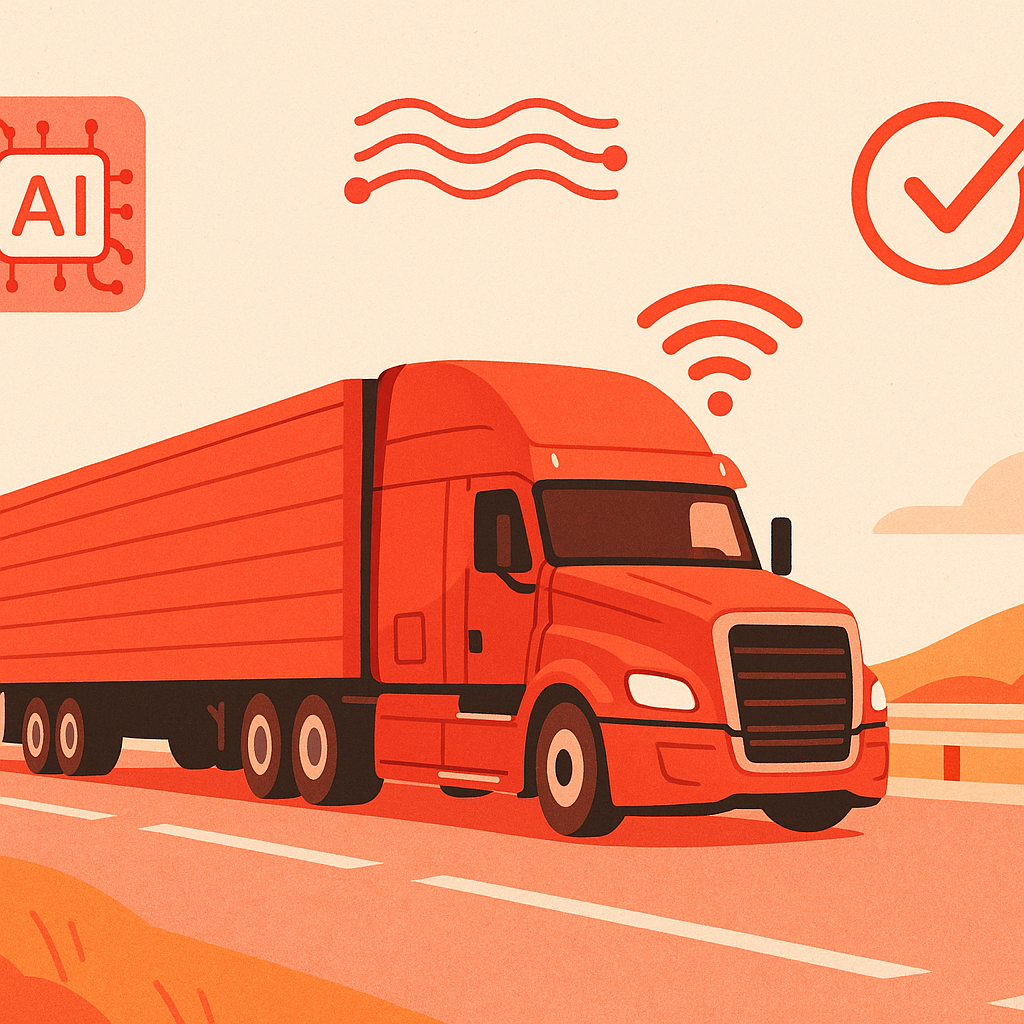
In 2026, the trucking industry is all about smart technology and strict rules. Trucks use real-time data and AI to make driving safer and faster, while digital inspections mean fewer stops and more checks from a distance. Some trucks drive themselves on certain highways, and more are running on electricity, especially for short trips. Drivers who follow the rules and do well can earn rewards, with everything tracked by data. To stay in business, trucking companies need to use technology to follow all the new rules and keep perfect records.
What are the main trucking industry trends in 2026?
According to industry reports, the trucking industry is shaped by these key trends:
1. Digital enforcement and data-driven roadside inspections
2. Widespread use of AI in fleet operations and safety
3. Growing but cautious adoption of autonomous and electric trucks
4. Performance-based driver recognition programs
5. Stricter compliance verification through connected technology.
The trucking industry in 2026 is experiencing a wave of technological transformation and regulatory tightening that is reshaping how fleets operate, how enforcement agencies monitor compliance, and how drivers interact with safety systems on a daily basis.
Digital Enforcement Takes Center Stage
Roadside safety enforcement is undergoing a fundamental shift toward data-driven screening. Industry reports indicate that new inspection systems are being piloted with the Federal Motor Carrier Safety Administration (FMCSA), allowing trucks to transmit hours-of-service and compliance data electronically as they approach weigh stations. Officials can then decide whether to pull a vehicle in for inspection or allow it to bypass, reducing unnecessary stops while maintaining safety oversight.
This approach is part of a broader federal investment in trucking safety infrastructure. The funding supports technology deployment at roadside inspections, CDL modernization, and infrastructure that connects federal motor carrier safety systems with state commercial vehicle databases. Automated license plate readers and electronic screening tools are now being deployed to identify carriers operating under suspended authority or drivers with disqualified licenses before they even reach the inspection point.
The new enforcement model relies on real-time data exchange rather than simply adding more troopers to the road.
FMCSA is simultaneously increasing oversight of certified electronic logging devices (ELDs), with new steps to vet ELD validity before listing devices as certified. This increased scrutiny reflects growing concerns about fraudulent ELD providers and the integrity of compliance data that enforcement agencies rely on.
Artificial Intelligence Reshapes Fleet Operations
According to industry reports, artificial intelligence has emerged as a significant technology trend in trucking, touching many aspects of fleet management. AI is increasingly embedded in routing, dispatch, safety coaching, diagnostics, and predictive maintenance, moving from experimental pilot projects to core operational tools.
Fleets are using AI-powered systems to optimize routes in real time, predict vehicle maintenance needs before breakdowns occur, and analyze driver behavior data to provide targeted coaching. AI dash cams can identify risky driving patterns such as harsh braking, distraction, or following too closely, then generate automated alerts or training recommendations. Transportation management systems are incorporating generative AI to improve load matching, capacity planning, and exception management under tight cost and labor constraints.
Telematics and connected-truck data platforms provide the foundation for these AI applications, giving fleet managers near-real-time visibility into vehicle health, driver performance, fuel efficiency, and route adherence. The shift toward data-driven decision-making is creating a competitive divide between fleets that can effectively collect, clean, and act on operational data and those that cannot.
| Technology | Primary Impact | Adoption Stage |
|---|---|---|
| AI-powered routing & dispatch | Optimizes load planning and reduces empty miles | Growing adoption |
| Predictive maintenance | Reduces downtime by anticipating failures | Rapidly expanding |
| Telematics & connected trucks | Provides real-time visibility into vehicle and driver performance | Widely adopted |
| Autonomous trucking | Limited deployment on fixed corridors | Early commercial testing |
| Electric trucks | Regional and last-mile operations | Accelerating but uneven |
Autonomous and Electric Trucks Move Forward Cautiously
Autonomous trucking is transitioning from pilots to limited commercial deployment, though the practical model remains corridor-based freight rather than fully autonomous coast-to-coast operations. Autonomous freight routes are being tested on some U.S. highways, particularly on predictable hub-to-hub lanes where conditions are controlled and well-mapped.
Electric and zero-emission trucks continue to gain traction, driven by emissions regulations and state-level fleet requirements. Adoption is strongest in last-mile delivery and regional operations where routes are predictable and charging infrastructure can be planned. Long-haul battery-electric trucking remains constrained by range limitations and charging network gaps, though zero-emission adoption is accelerating in markets with strong regulatory pressure or financial incentives.
Driver Recognition Programs Evolve with Data
As enforcement and technology become more data-intensive, driver recognition programs are following suit. Industry best practices emphasize measurable objectives, transparent rules, and objective performance data rather than subjective evaluations. Successful programs combine monetary rewards such as performance bonuses with non-monetary recognition like public mentions, preferred assignments, or membership in safety clubs for drivers who exceed certain performance thresholds.
Programs that involve drivers in the design phase and use clear, fair metrics see higher engagement and better safety outcomes.
Fleets are using telematics data to track specific behaviors - fewer harsh braking events, reduced idle time, improved route compliance, sustained high safety scores - and tying recognition directly to those metrics. Points-based systems allow drivers to choose rewards they value, while tiered clubs or achievement levels create visible milestones that reinforce pride and commitment. Regular program reviews ensure that metrics, rewards, and communication remain aligned with what actually motivates drivers and supports fleet goals.
Compliance Verification Intensifies Across the Board
The regulatory environment is characterized by verification, enforcement, and standardization. Agencies are using technology to close gaps in identity verification, driver qualification files, and carrier registration integrity. Digital compliance tools and transportation management systems are becoming essential for managing the increasing complexity of regulations, scheduling, routing, and reporting requirements.
The enforcement trend reflects a strategic shift: rather than relying solely on adding inspectors, agencies are deploying connected systems that flag compliance issues automatically and route enforcement resources more efficiently. For fleets, this means that maintaining clean, accurate, and accessible digital records is no longer optional - it is the baseline expectation for operating in an increasingly data-transparent industry.