
Beyond the Stereotype: Unpacking the Complex Realities of Professional Trucking
Unpack the complex realities of professional trucking beyond stereotypes. Discover driver challenges, skills, and vital role in the economy.
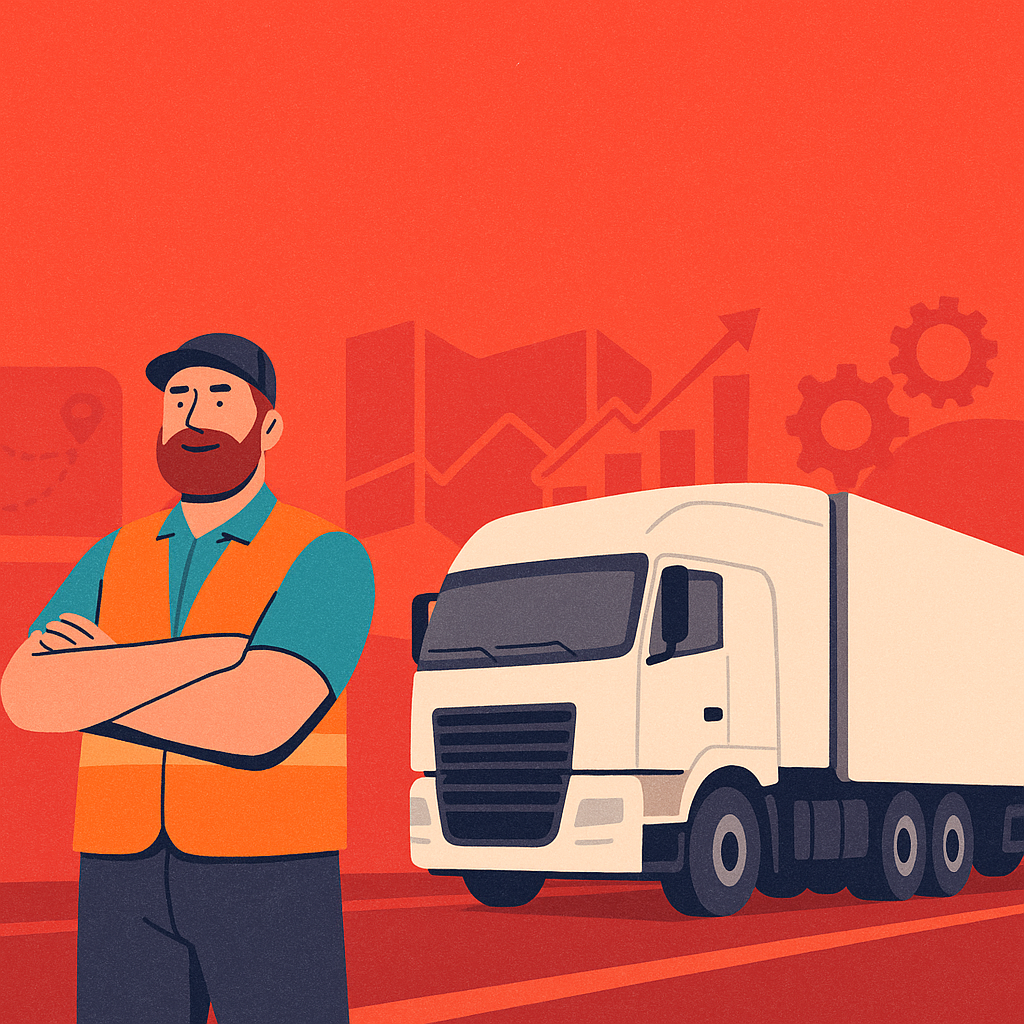
Professional trucking is much more complicated than most people think. Truck drivers need special skills to handle huge trucks, follow strict rules, and solve problems on the road. They face long hours away from home, health challenges, and big responsibilities to keep goods moving safely. While many only hear about accidents or problems, real stories show drivers saving lives, helping others, and working hard every day. Truckers are not just drivers - they are skilled workers, helpers in the community, and the reason stores have what we need.
What is the reality of professional trucking beyond common stereotypes?
Professional trucking is a complex career requiring technical skill, regulatory compliance, and problem-solving abilities. Drivers manage challenging schedules, ensure public safety, maintain equipment, and serve as vital links in the supply chain, while also facing economic, physical, and mental health challenges often overlooked by the public.
The trucking industry has long been misunderstood by the general public, with drivers often reduced to simplistic stereotypes rather than recognized for the complexity of their profession. Recent human-interest content emerging from the trucking community reveals a more nuanced reality - one where professional drivers navigate demanding schedules, serve as essential economic lifelines, and build meaningful careers on America's highways.
Beyond the Wheel: The Reality of Professional Trucking
According to the U.S. Bureau of Labor Statistics, heavy and tractor-trailer truck drivers transport goods from one location to another, yet their daily experiences extend far beyond simply operating a vehicle. The profession demands technical expertise, strict adherence to federal regulations, and the ability to manage both physical and mental challenges during extended periods away from home.
The Federal Motor Carrier Safety Administration enforces Hours of Service regulations that dictate when drivers can work and rest, creating a structured framework that professional truckers must navigate daily. These rules exist to promote safety, yet they also illustrate the highly regulated nature of a job many outsiders perceive as simply "driving."
Media Portrayals and Public Perception
Research into media representations reveals a troubling pattern. While early popular culture often romanticized truckers as independent road heroes, contemporary coverage has shifted dramatically. News media outlets frequently focus on accidents, illegal conduct, and negative incidents when covering the trucking industry, which shapes public assumptions about the entire profession rather than highlighting individual circumstances.
This negative framing has real consequences. Survey data shows the public holds contradictory views of truck drivers - describing them simultaneously as "hardworking," "professional," and "skilled," while also labeling them "arrogant," "inconsiderate," and "tired." These mixed perceptions reflect the stereotype-laden environment created by years of unbalanced media coverage.
Human Stories from the Road
Recent human-interest stories from the trucking community paint a very different picture of trucking life. Fleet Owner reported on Michael Dorsey, a truck driver who used his vehicle during flooding in Erwin, Tennessee, to help rescue flood victims. Six of the twelve people who sought refuge survived thanks to his quick thinking and willingness to act.
Other stories highlight remarkable career milestones. J.B. Hunt recognized driver Gary for achieving five million safe miles - a testament to decades of professional excellence and commitment to safety. Meanwhile, the trucking community rallied to reunite a driver's lost dog through CB radio networks and social media, demonstrating the tight-knit bonds that exist within the profession.
These accounts reveal drivers as problem-solvers, safety professionals, and community members - roles that rarely surface in mainstream coverage.
The Economic and Lifestyle Challenges
| Challenge Category | Key Issues |
|---|---|
| Work-Life Balance | Extended time away from family, difficulty maintaining relationships |
| Physical Health | Long hours of sitting, irregular sleep patterns, limited access to healthy food |
| Economic Pressure | Fluctuating freight rates, fuel costs, equipment maintenance expenses |
| Regulatory Compliance | Hours of Service rules, safety inspections, documentation requirements |
| Mental Health | Isolation, stress from tight delivery schedules, limited social interaction |
The National Institute for Occupational Safety and Health has documented numerous occupational health concerns specific to the trucking industry, recognizing that the profession presents unique challenges requiring specialized attention and support.
The Professional Skillset
Professional truck driving requires a sophisticated blend of capabilities. Drivers must master vehicle operation across diverse weather conditions and terrain types. They need mechanical knowledge to perform pre-trip inspections and identify potential equipment issues. Navigation skills remain essential despite modern GPS technology, as drivers must plan routes considering vehicle height, weight restrictions, and delivery time windows.
Customer service abilities matter too. Drivers interact with shippers, receivers, and dispatchers, serving as the face of their companies. Financial literacy helps owner-operators manage business expenses, calculate break-even rates, and make strategic decisions about loads and routes.
Digital Content and Industry Evolution
The trucking community has embraced digital platforms to share authentic perspectives. YouTube channels focusing on trucking life and industry insights have proliferated in recent years, with content covering market outlooks, owner-operator economics, fleet strategy, and daily lifestyle realities. These creator-driven narratives offer unfiltered views into the profession, countering decades of stereotypical portrayals.
Videos analyzing freight rates, capacity trends, and survival strategies during market downturns demonstrate the business acumen required in modern trucking. Educational content about cost-cutting measures, break-even calculations, and fleet management strategies reveals the entrepreneurial dimension of the profession that outsiders rarely consider.
Industry Contributions and Recognition
The American Trucking Associations provides data showing the trucking industry's massive economic impact, moving the vast majority of goods consumed in the United States. Yet individual driver contributions often go unrecognized outside industry circles.
Some drivers have received formal recognition for extraordinary actions. One professional received the Carnegie Medal for saving a teen girl from a burning charter bus after a crash in Ohio. Another driver was honored for transporting nuclear waste across many accident-free miles, demonstrating the high-stakes responsibility some trucking professionals shoulder.
The Path Forward
Changing public perception requires consistent exposure to authentic trucker stories and experiences. When audiences understand the regulatory complexity, safety commitment, technical expertise, and personal sacrifices involved in professional trucking, simplistic stereotypes begin to crumble.
The profession encompasses far more than vehicle operation. It involves logistics planning, regulatory compliance, mechanical troubleshooting, customer relations, financial management, and crisis response. Professional truck drivers serve as mobile supply chain managers, ensuring products reach their destinations despite weather delays, equipment challenges, and scheduling pressures.
Recognizing this complexity doesn't diminish the driving aspect - it acknowledges that steering an 80,000-pound vehicle represents just one component of a multifaceted profession. The industry needs public understanding of these realities to attract new talent, improve working conditions, and secure the respect professional drivers deserve for keeping America's economy moving forward.