
Federal Mandates & State Pathways: The Oregon CDL Case Study
Federal mandates forced Oregon to halt CDL issuance for immigrants, impacting hundreds of workers and creating economic hardship.
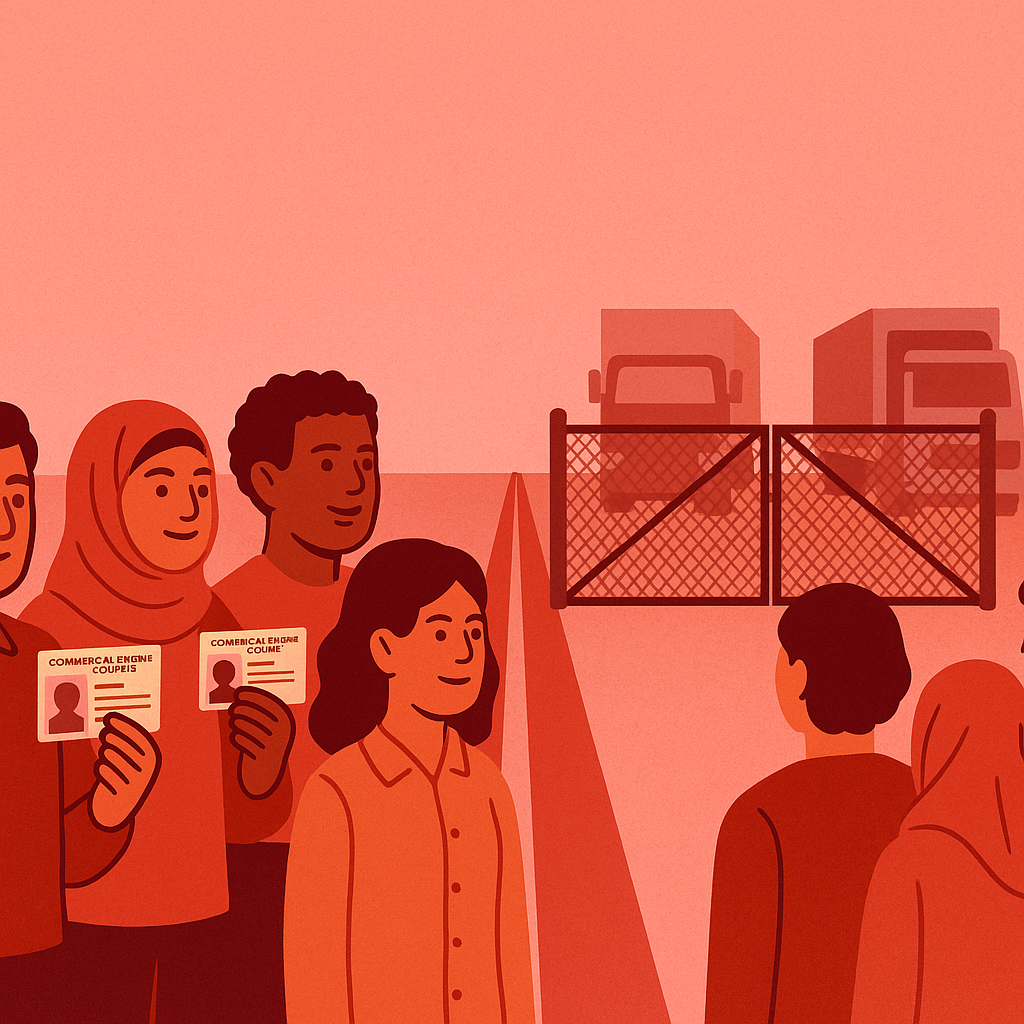
In recent years, new federal rules forced Oregon to stop giving commercial driver's licenses to immigrants and refugees with temporary legal status. This sudden change blocked many people from trucking jobs, leaving numerous families struggling with money and even losing their homes or trucks. Before, Oregon let people with certain documents work as truck drivers, but after the rule change, only citizens and permanent residents could get these licenses. The move hurt immigrant communities, who had seen trucking as a way to earn good money and support their families. Now, many had to take lower-paying jobs and faced much harder lives.
How did federal CDL rules affect immigrants and refugees in Oregon?
In recent years, new federal CDL regulations forced Oregon to stop issuing limited-term commercial licenses to immigrants and refugees with temporary lawful status. This blocked many legally present workers from trucking careers, caused financial hardship, and disrupted economic integration for numerous immigrant families in Oregon.
Federal pressure over commercial driver's license regulations dramatically reshaped opportunities for immigrants and refugees in Oregon throughout 2025 and into 2026. The state, once a pathway for newcomers seeking careers in trucking, abruptly halted the issuance of limited-term commercial licenses to non-permanent residents after the Trump administration tied transportation funding to stricter CDL compliance.
Under Oregon's previous rules, individuals lawfully present on a temporary basis could qualify for a limited-term non-REAL ID CDL if they provided specific immigration documents, including an I-94 showing refugee or asylee status, or an unexpired Employment Authorization card. This system allowed refugees, asylum seekers, DACA recipients, and others with temporary lawful status to pursue trucking careers while awaiting permanent residency.
By spring 2026, that pathway had closed. Oregon stopped issuing these licenses entirely, affecting roughly 900 legally present workers who could no longer renew their temporary CDLs or learner's permits. The policy shift came after the Federal Motor Carrier Safety Administration issued new rules in March 2026 that barred states from issuing temporary commercial driver's licenses in most cases, with federal highway funding at stake for noncompliant states.
The Federal Leverage Strategy
The Trump administration employed transportation funding as a powerful compliance tool across multiple states. The U.S. Department of Transportation warned Illinois it could lose significant federal highway funding unless it revoked illegally issued non-domiciled CDLs within 30 days. California, Washington, and New Mexico faced similar threats, with officials warning these states could lose substantial Motor Carrier Safety Assistance Program funding if they failed to enforce English Language Proficiency requirements for commercial motor vehicle drivers.
New York encountered particularly severe consequences, with the Department of Transportation withholding tens of millions in highway funds over alleged failures to review or revoke certain CDLs tied to expired work authorization. The broader strategy extended beyond CDL rules alone. In April 2025, Reuters reported that the administration warned states they risked losing transportation funding if they did not comply with federal immigration enforcement efforts or continued diversity, equity, and inclusion policies.
Federal officials framed these actions as safety and legal-compliance enforcement, requiring states to immediately pause non-compliant CDL issuance or face substantial financial penalties.
Impact on Oregon's Immigrant Communities
The human cost of these policy changes became evident in Oregon's workforce training programs and immigrant households. Enrollment in a CDL program that once served mostly immigrant and refugee students dropped significantly by spring 2025, according to reporting by the Oregon Capital Chronicle.
For many, the consequences extended far beyond career disruption. Individuals who had already invested in trucks or committed savings to starting trucking businesses faced repossession and financial ruin. Some families were forced to sell homes, move out of apartments, or rely on food pantries after anticipated trucking income disappeared. Workers who were in or near training had to pivot to rideshare driving, warehouse positions, and assembly-line jobs - typically lower-paying alternatives to commercial trucking.
The impact varied by immigration status. U.S. citizens and lawful permanent residents remained eligible under standard rules, while refugees, asylees, DACA recipients, and others with temporary status found their access blocked under new restrictions. Most temporary CDLs were no longer issued, and renewals were halted for existing holders.
Oregon's Department of Motor Vehicles acknowledged that immigrant and non-domiciled communities would be disproportionately affected by the change. The agency justified the restriction partly by arguing it would prevent applicants from spending thousands of dollars on training only to be deemed ineligible later if federal requirements shifted again. Public comments submitted during Oregon's rulemaking process emphasized that the new rule "prevents lawful CDL holders from renewing licenses and blocks qualified graduates from entering the workforce," while disrupting "employment stability and workforce integration."
Economic and Social Consequences
The loss of CDL access represented more than an employment barrier. For refugees and immigrants, trucking careers often provided a path to financial independence, upward mobility, and the ability to support families without relying on public assistance. The relatively well-paid occupation offered stability for households that depended on a single wage earner's commercial driving income.
Nonprofit leaders described CDL work as tied to independence, upward mobility, and the ability to support families without public assistance - a pathway now largely closed to temporary-status residents.
Family-level strain manifested in multiple ways. Beyond immediate income loss, households experienced housing instability, increased debt, and reduced social mobility. The policy change particularly affected refugee communities, where commercial driving had become an established route to economic integration and self-sufficiency.
Oregon officials estimated the state faced potential losses of significant federal highway funds if it refused compliance, with substantially larger losses in subsequent years. Faced with these financial pressures, the state prioritized federal funding over maintaining CDL access for temporary-status residents, though it attempted to minimize harm by allowing some existing limited-term credential holders to retain their licenses while stopping all new issuances.
The policy shift in Oregon exemplifies how federal funding leverage can reshape state-level immigration and employment policies. While framed by federal officials as necessary for safety compliance and legal consistency, the practical effect was to close a critical economic pathway for hundreds of legally present workers and their families, pushing them toward less stable, lower-wage employment while disrupting workforce integration efforts that had taken years to build.