
FMCSA Codifies English Proficiency for Truckers: A Permanent Shift in Regulatory Enforcement
FMCSA codifies English proficiency for truck drivers, making it a permanent regulation. This impacts enforcement & labor certification.
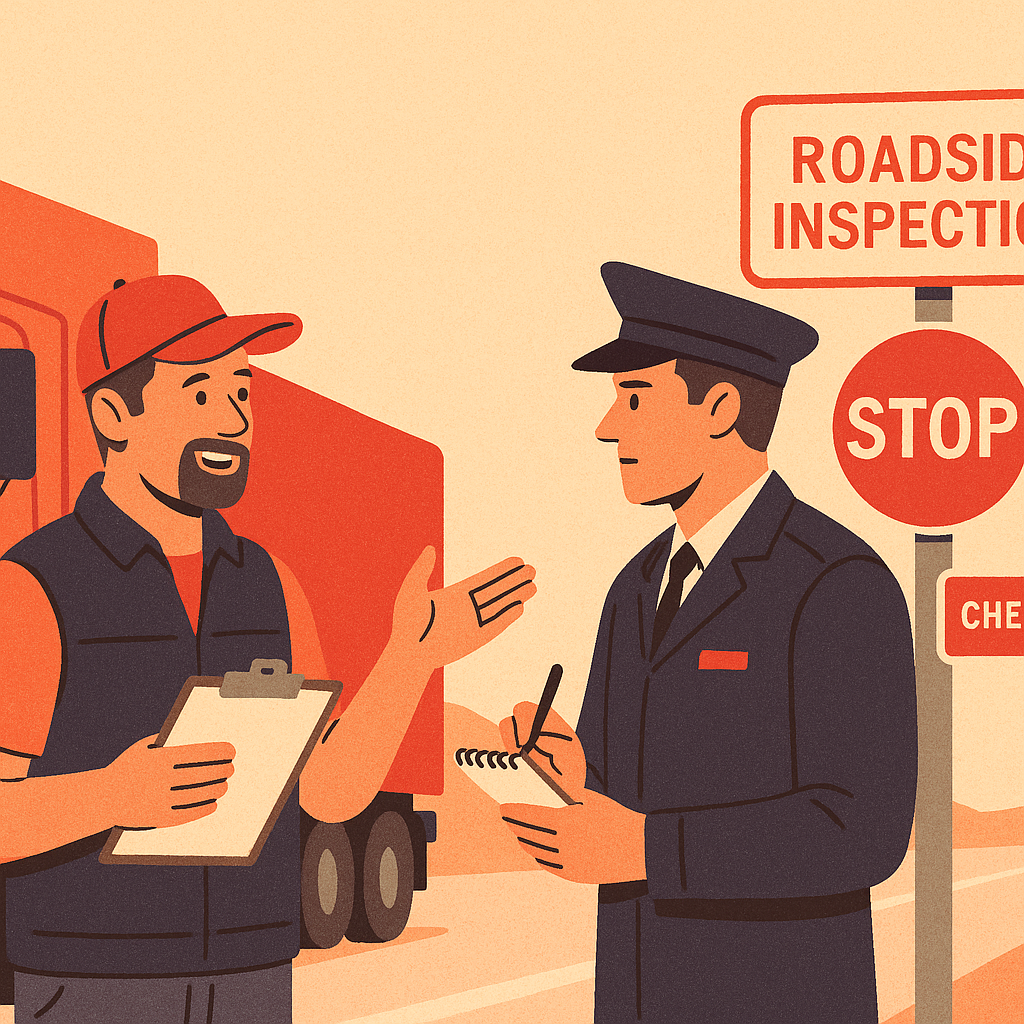
The FMCSA is making it a permanent rule that all commercial truck drivers in the U.S. must be able to read and speak English well enough to understand signs, talk with officials, and fill out reports. This new rule means drivers who can't show enough English skills may be stopped from working right away. Companies hiring drivers, especially from other countries, now have to make sure they include English requirements in job paperwork. The goal is to keep roads safer by making sure drivers can follow signs and talk with inspectors. This big change will affect how trucking companies hire and train their workers from now on.
What is the new permanent English proficiency requirement for commercial truck drivers?
The FMCSA is making English proficiency a permanent federal regulation for commercial truck drivers. Drivers must be able to read and speak English well enough to understand traffic signs, communicate with officials, and complete reports. Non-compliance may result in being placed out of service.
The U.S. Department of Transportation is taking steps to make English proficiency requirements for commercial truck drivers a permanent fixture in federal regulation. The Federal Motor Carrier Safety Administration (FMCSA) has moved to codify these requirements into formal regulations, a decision designed to prevent future administrations from weakening enforcement standards.
The underlying English-language requirement already exists in federal law under 49 C.F.R. § 391.11(b)(2), which mandates that commercial motor vehicle drivers must be able to "read and speak the English language sufficiently to converse with the general public, to understand highway traffic signs and signals in the English language, to respond to official inquiries, and to make entries on reports and records." However, this standard had not been consistently enforced for years, prompting the White House to direct FMCSA to rescind prior lenient guidance and revise inspection procedures.
From Guidance to Permanent Regulation
The shift from guidance to codified regulation represents a significant change in enforcement philosophy. By embedding the English proficiency standard directly into federal regulations, FMCSA aims to make it much harder for future administrations to roll back or weaken the requirement. According to industry reports, the regulatory process is moving forward with publication in the Federal Register expected.
Under the updated enforcement approach, drivers who cannot sufficiently read or speak English or understand highway traffic signs and signals may be placed out of service. This roadside enforcement has already begun showing results. According to industry reports, a significant number of drivers have been sidelined since enhanced enforcement began.
Labor Certification and Immigration Impact
The English proficiency push extends beyond roadside inspections. On May 14, 2026, the U.S. Department of Labor issued guidance requiring job orders and applications for temporary or permanent labor certification for positions involving operation of a commercial motor vehicle to include an English-language proficiency standard consistent with federal requirements. If employers omit this standard, the Department of Labor will issue a Notice of Deficiency and pause processing until the application is corrected.
This creates additional compliance pressure for carriers sponsoring foreign workers through the PERM labor certification process. The guidance takes effect 30 days after publication, meaning employers must now explicitly state English proficiency requirements in their hiring documents. The Department of Labor clarified that English testing remains the responsibility of FMCSA for operational purposes and the U.S. Department of State during visa interviews for foreign workers seeking entry.
Industry and Workforce Implications
| Impact Area | Effect | Timing |
|---|---|---|
| Roadside enforcement | Out-of-service orders for non-compliant drivers | Active |
| Labor certification | Mandatory English standards in job filings | 30 days after May 14, 2026 |
| Driver removals | Significant number of drivers sidelined | Ongoing |
| Regulatory status | Codification into permanent federal regulation | Pending Federal Register publication |
The permanent regulation is likely to create higher compliance pressure on carriers and potentially tighten labor supply in segments that rely on foreign-born or bilingual drivers. Employers face a dual challenge: they must align hiring documents with both FMCSA operational rules and Department of Labor filing requirements, while also navigating employment laws that restrict overly broad English-only workplace policies.
Legal experts note that carriers must balance English proficiency compliance with laws restricting blanket language-only rules for all workplace communication. The federal requirement focuses specifically on job-related operational proficiency - the ability to read signs, communicate with inspectors, and complete required records - rather than general language restrictions across all aspects of employment.
Safety Rationale and Enforcement Goals
The rule is intended to reduce crashes and enforcement problems tied to drivers' inability to read traffic signs, communicate effectively with law enforcement and inspectors, or complete required safety records and reports. The standard applies to core safety functions: understanding highway traffic signs and signals, responding to official inquiries during inspections or incidents, and making accurate entries in logbooks and other required documentation.
For the trucking industry, the practical effect is not merely paperwork compliance. The enforcement mechanism can directly remove drivers from the road at inspection points, creating immediate operational impacts for carriers whose drivers cannot demonstrate adequate English proficiency. This represents a significant shift from the previous era of inconsistent enforcement, when the longstanding regulatory requirement existed on paper but was not uniformly applied during roadside inspections.
The move to permanent codification signals that federal regulators view English proficiency as a non-negotiable safety standard, one that should remain in force regardless of future changes in administration or policy priorities. By locking the requirement into formal regulations rather than leaving it as guidance subject to administrative discretion, FMCSA is creating a more durable enforcement framework that will shape hiring, training, and compliance practices across the trucking industry for years to come.