
Hazardous Hauls: Unregulated Oilfield Waste Puts Communities and Drivers at Risk
Unregulated oilfield waste transport endangers drivers & communities. Untested radioactive & toxic materials hauled without HAZMAT compliance.
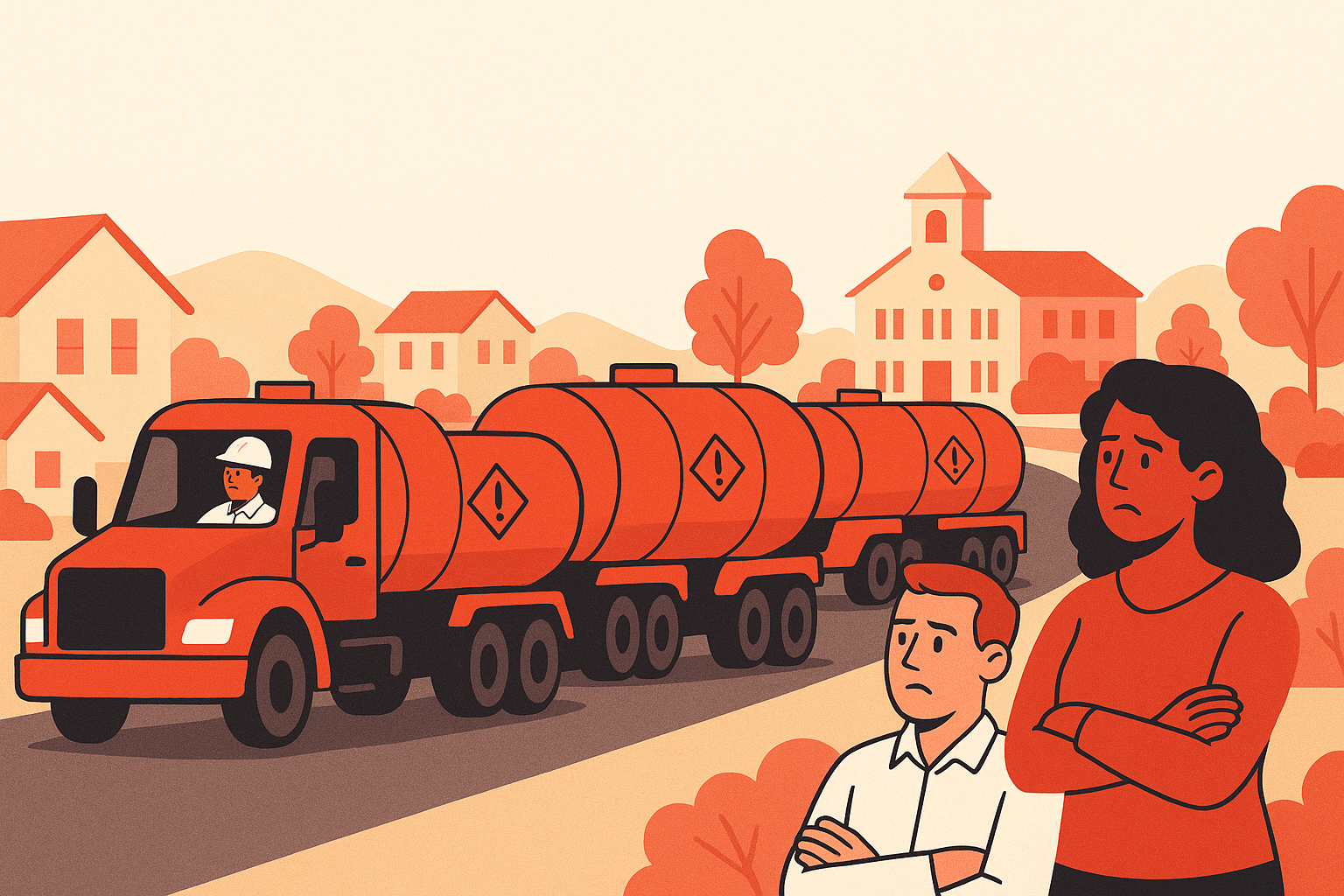
Oilfield waste is being moved on public roads without proper safety checks, putting both drivers and neighborhoods in danger. The waste can be very dangerous, carrying toxic chemicals and even radioactive materials that can harm people's health for years. Many truck drivers don't have the right training, and companies often skip important safety steps, allowing spills and accidents to happen. Now, truckers and safety groups are asking the government to enforce the rules, while federal agencies promise to crack down on unsafe practices. The big question is whether these new efforts will truly keep people safe from the hidden dangers on the road.
What are the risks of unregulated oilfield waste transport?
Unregulated oilfield waste transport exposes communities and drivers to serious hazards, including radioactive materials, toxic chemicals, and fracking wastewater. Without mandatory testing, HAZMAT training, and safety protocols, dangerous spills and chronic health risks - like neurological and respiratory damage - can occur along public roads and neighborhoods.
Thousands of truck drivers across American oilfields transport hazardous waste without required safety certifications, creating invisible dangers on public roads. The loads they carry - radioactive materials, toxic chemicals, and fracking wastewater - often go untested despite federal regulations mandating strict protocols for hazardous materials transport.
The Hidden Radioactive Threat
Oil and gas operations generate waste containing naturally occurring radioactive materials (NORM) like radium and radon, substances that can accumulate in human bones and cause long-term health damage. According to Earthjustice, some truckloads exceed Department of Transportation radioactivity limits by more than 2,000 times - yet these materials routinely bypass mandatory testing before hitting the road.
The consequences extend beyond abstract risk. Hydrogen sulfide (H2S) gas, commonly present in oil and gas waste, has already killed oilfield workers and nearby residents. Chronic low-level exposure causes neurological damage, respiratory problems, and other serious health conditions. When combined with vehicle crashes - a leading cause of oilfield deaths - the dangers multiply exponentially.
Pennsylvania records reveal 1.4 million tons of unaccounted waste, possibly transported across state lines without proper tracking or safety measures.
Regulatory Gaps Create Dangerous Loopholes
Federal hazardous materials regulations under 49 CFR require specific handling procedures, warning labels, specialized training, and route restrictions for radioactive and toxic materials. Yet oil and gas companies exploit a decades-old exemption in the 1976 Resource Conservation and Recovery Act that excludes their waste from certain disposal regulations - though transportation laws technically still apply.
The result is systematic non-compliance. Drivers lack HAZMAT certifications, trucks travel through residential neighborhoods and school zones, and insurance coverage falls short of requirements for hazardous cargo. A 2026 analysis by NRDC found that no top-12 oil-producing state has comprehensive rules addressing health and pollution risks from waste handling.
| Safety Requirement | Current Practice | Risk Created |
|---|---|---|
| Pre-transport testing | Routinely skipped | Unknown radioactivity levels |
| HAZMAT certification | Drivers lack training | Improper emergency response |
| Route restrictions | Ignored | Exposure of schools, neighborhoods |
| Warning labels | Often absent | First responders unprepared for spills |
| Adequate insurance | Insufficient coverage | Communities bear cleanup costs |
Truckers Demand Federal Enforcement
In June 2025, the Truckers Movement for Justice, represented by Earthjustice, petitioned federal authorities to enforce existing HAZMAT regulations on oil and gas waste transportation. The formal letter to the Department of Transportation targets two agencies: the Pipeline Hazardous Materials and Safety Administration (PHMSA) and the Federal Motor Carrier Safety Administration (FMCSA).
Billy Randel, leader of Truckers Movement for Justice and a retired hazmat truck driver, emphasizes that proper testing and enforcement would protect both workers and communities. The petition calls for mandatory HAZMAT training, proper licensing, adequate insurance coverage, and route restrictions that keep dangerous loads away from populated areas.
The advocacy group also demands comprehensive safety audits of all carriers operating in oilfields nationwide. Recent spill incidents in Pennsylvania, Ohio, and North Dakota involving thousands of gallons of fracking wastewater underscore the urgency of their demands.
Federal Crackdown Begins to Take Shape
PHMSA announced in November 2025 that it would prioritize risk-based hazmat enforcement in 2026, focusing on general hazmat shippers (including waste transporters), companies with major violations, and recurring compliance issues. The agency plans to use analytics to identify high-risk operators and process enforcement cases more rapidly.
Meanwhile, FMCSA's March 16, 2026 rule on non-domiciled commercial driver's licenses restricts driver eligibility and enforces English proficiency requirements. The agency has ramped up operations like SafeDRIVE to remove unqualified drivers and unsafe vehicles from service, indirectly pressuring HAZMAT compliance in high-risk sectors.
All employees handling hazardous materials must complete initial and recurrent training every three years under 49 CFR Parts 172.700-704. This includes general awareness, function-specific instruction, safety and emergency response protocols, and security awareness. Companies transporting oilfield waste in bulk packaging (3,500 gallons or more) must register annually with DOT and pay associated fees.
Vehicle crashes remain a top cause of oilfield deaths, amplifying risks when trucks carry untested radioactive and toxic materials through communities.
The Capacity Crunch Compounds Safety Concerns
Tightening freight capacity in 2026 has created additional pressure on the industry. Carrier exits in Texas and the Southeast - key oil-producing regions - have raised spot rates while straining safety-focused operations. According to Ryder's 2026 freight market analysis, rising fuel costs and federal crackdowns on unsafe operators have improved leverage for compliant haulers but reduced overall capacity.
Trucking jobs have declined despite rate increases, as enforcement actions remove non-compliant operators from the market. Tank trucking for energy feedstocks faces particular scrutiny, with non-compliance fines reaching up to $8,000 per inspection failure for companies that skip required hazmat training.
Radioactive Materials in Landfills and Water
Pennsylvania's Department of Environmental Protection released a controversial study in March 2026 examining 49 landfills, including 23 that accept oil and gas waste. The study found leachate radium levels below the Nuclear Regulatory Commission's 600 pCi/L limit and concluded there was "no risk to human health from radiation in landfill leachate."
Critics immediately challenged these findings. Eleven landfills exceeded the 5 pCi/L drinking water limit, four of which accepted oil and gas waste. The study ignored radioactive sediment accumulation downstream from treatment plants and relied on inconsistent record-keeping. Independent research has found elevated sediment radium near facilities handling landfill leachate, revealing unmonitored pathways for contamination after waste transport.
The long-term implications are particularly troubling. Radium mimics calcium in the human body, accumulating in bones where it can cause damage for decades. Meanwhile, wastewater injection wells - the destination for much of this trucked waste - have been linked to earthquakes and underground migration that could contaminate water tables.
The Path Forward
The advocacy campaign by Truckers Movement for Justice and Earthjustice represents a critical inflection point. By demanding enforcement of existing regulations rather than new laws, they've highlighted how oil and gas companies exploit regulatory gaps while putting workers and communities at risk.
DOT compliance audits now scrutinize shipping papers (which must be retained for three years for hazardous waste), training records, vehicle maintenance logs, driver qualifications, and drug testing programs. Companies that fail these audits receive unsatisfactory safety ratings and can be placed out of service.
As PHMSA intensifies its data-driven enforcement approach and FMCSA removes unqualified drivers from the road, the industry faces mounting pressure to comply with hazmat regulations that have been on the books for decades. Whether these efforts will adequately protect the thousands of drivers hauling radioactive and toxic waste - and the communities their routes pass through - remains an open question.