
Highway Haunts: Analyzing the Rise of True Trucker Horror in Audio Storytelling
Explore the rise of trucker horror in audio storytelling, focusing on chilling true tales and unexplained CB radio encounters on the highway.
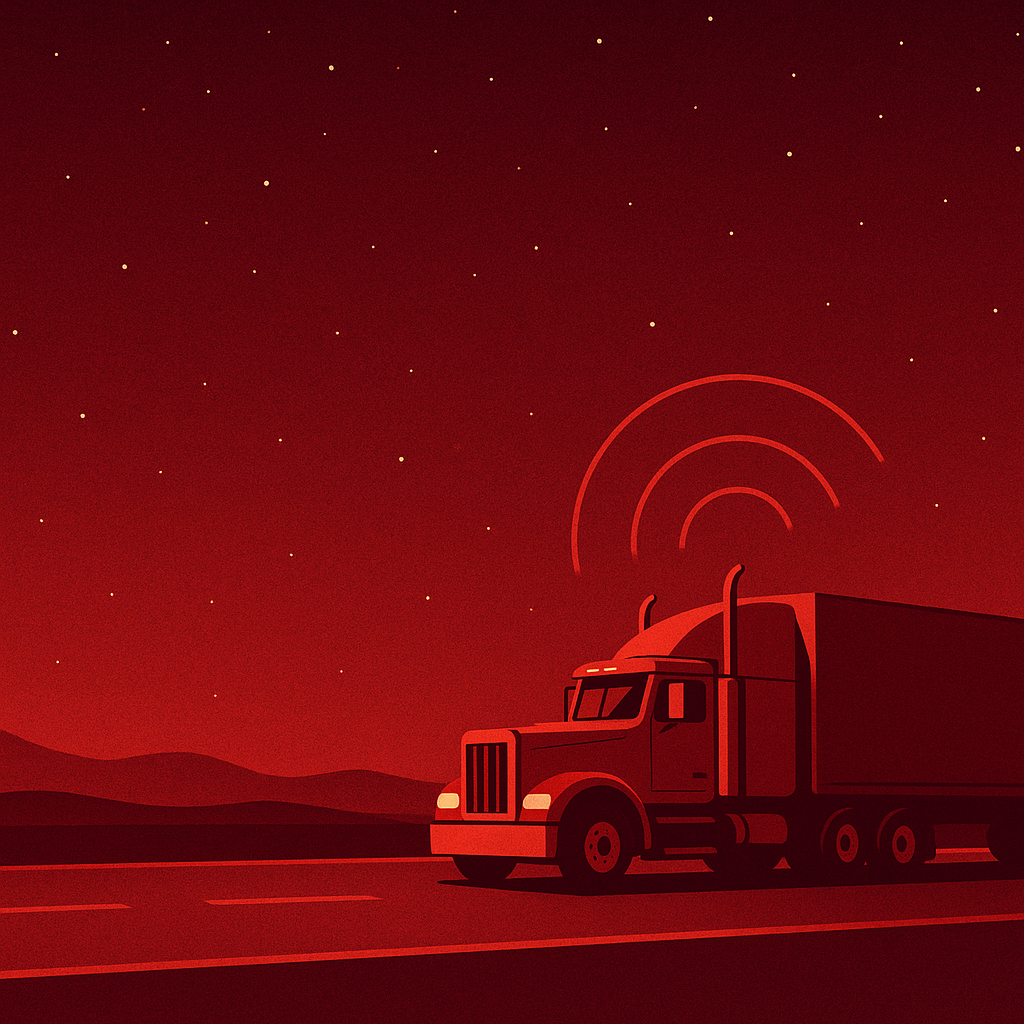
Trucker horror podcasts are popular because they use real-life highway settings and creepy radio events to scare listeners. They focus on the loneliness and dark unknown of long drives, making the stories feel extra spooky. The use of sounds like wind, static, and voices adds to the suspense, especially when paired with true or believable tales. People love these stories because they feel real and tap into our fear of being alone and vulnerable on empty roads.
What makes true trucker horror stories in podcasts so popular?
True trucker horror stories have become popular podcast content due to their atmospheric dread, real-life settings, and chilling CB radio encounters. These stories tap into the isolation of highway driving, use immersive sound design, and leverage the psychological impact of "true story" framing to create genuinely suspenseful audio experiences.
The open highway at night has always been fertile ground for unsettling stories, and a recent podcast episode brings together multiple true trucker horror experiences that center on mysterious encounters and unexplained CB radio moments. This compilation leans heavily into atmospheric dread rather than comedic relief, offering listeners a journey through some of the most chilling experiences reported by long-haul drivers.
The Rise of Trucker Horror in Podcast Format
The trucking horror subgenre has found a natural home in audio storytelling. Several shows have emerged in recent years focusing specifically on this niche, including Booze And Boos, which released "4 TRUE & DISTURBING Trucker Stories With Rain & Haunting Ambience" in October 2024, and Mr. Nightmare Podcast, which published "3 Disturbing TRUE Trucker Horror Stories" in August 2024. These productions tap into the inherent isolation of highway driving and the vulnerability drivers feel when alone on empty roads.
The format works particularly well because podcasting remains a large, mature medium, with the ecosystem continuing to expand in show count, episode count, and listener reach. Story-driven formats are especially well-suited to podcasts, as episodes built around narration, suspense, and voice performance don't require visual elements to create impact.
Why CB Radio Stories Resonate
CB radio incidents form the backbone of many trucker horror tales. The technology itself creates perfect conditions for unsettling experiences - it's anonymous, distance-based, and often unpredictable. Classic scenarios include hearing warnings from voices that have no visible source, receiving transmissions when no other vehicles are nearby, or encountering interference that defies easy explanation.
These stories often follow familiar patterns: a driver hears another rig on the CB, responds, and then discovers there's nobody on the road ahead or behind. While many such incidents can be explained by skip propagation (signals traveling farther than expected), channel bleed, or delayed relay from another driver, the moment of confusion and fear remains genuine for those who experience it.
The Production Challenge
Creating compelling horror content in audio format requires specific technical approaches. Production quality matters significantly in contemporary podcast guidance, which emphasizes clear audio, structured episodes, and consistent publishing workflows. For a trucking horror episode, the most relevant production angles involve sound design, pacing, and vocal delivery - all central to how suspense works in audio-first storytelling.
Effective techniques include layered ambience (wind, room tone, distant sounds), controlled use of silence to build anticipation, and careful level balancing so dialogue remains intelligible while music and effects support the narrative. Practitioners recommend keeping voice tracks at approximately -12 to -9 dB, with music beds around -22 dB beneath the voice and ambient background about -20 to -15 dB below the main audio.
| Production Element | Recommended Level | Purpose |
|---|---|---|
| Voice/Dialogue | -12 to -9 dB | Primary clarity and intelligibility |
| Music Bed | -22 dB | Atmospheric support without interference |
| Sound Effects | -10 to -20 dB | Impact moments and environmental texture |
| Ambient Background | -20 to -15 dB | Continuous atmospheric presence |
The Appeal of True Stories
The "true story" framing adds weight to horror narratives. Whether these accounts are fully verified incidents or embellished retellings, they carry the psychological impact of possibility. Highway isolation, night driving, CB radio static, and unexplained voices work especially well in audio because listeners cannot see the source of the threat - they must imagine it, which often proves more frightening than any visual could be.
Sound designers consistently emphasize that jump scares work better when preceded by restraint and followed by silence, creating a rhythm of tension and release.
This compilation format - gathering multiple stories into a single episode - allows producers to maintain variety while exploring different aspects of trucker experiences. Some stories might focus on encounters with other people, while others deal with mechanical failures, weather events, or inexplicable phenomena. The multi-story structure provides enough content for a substantial listening session while preventing any single narrative from overstaying its welcome.
The Broader Context
Trucker horror represents just one strand in the larger tapestry of narrative, anecdotal, and niche-interest audio that has flourished in recent podcast trends. These shows move away from broad interview formats toward more focused storytelling that serves specific audience interests. The truck-driving community, with its unique culture and shared experiences, provides rich material for this kind of content.
The success of such episodes depends on authentic detail - the specific terminology drivers use, the realistic portrayal of CB radio etiquette, the accurate depiction of highway conditions and truck stop culture. When producers get these elements right, even skeptical listeners can suspend disbelief long enough to feel the intended chill. The combination of familiar settings (highways most listeners have driven) and unfamiliar perspectives (the trucker's unique vantage point) creates an effective bridge between the everyday and the extraordinary.
For audiences drawn to horror content, trucker stories offer something distinct from haunted houses or supernatural investigations. These are tales rooted in real places, real vehicles, and real technology, making them feel more immediate and plausible. Whether the stories in this particular episode focus on CB radio mysteries, dangerous encounters, or unexplained sightings, they tap into fundamental fears about being alone, being vulnerable, and facing situations beyond one's control.