
Highway Haunts: Unexplained Encounters from the Road's Edge
Unexplained encounters from truckers: paranormal highway incidents, mysterious CB radio voices, phantom hitchhikers, & more.
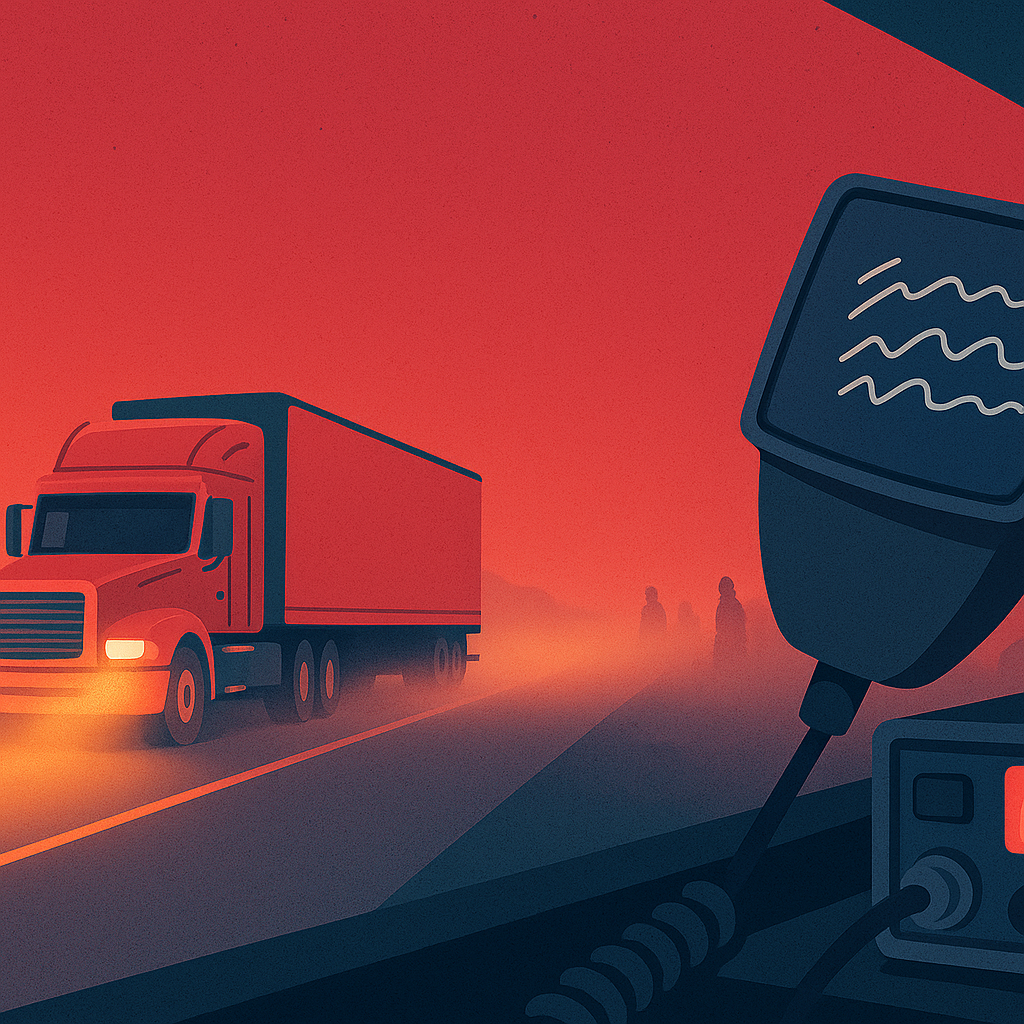
Truck drivers often see strange things while driving at night, like ghostly hitchhikers and hearing spooky voices on their CB radios. Some even say they find truck stops that disappear and roads that don't make sense, making the highway feel mysterious and scary. Many of these creepy events happen when it's really late and the roads are empty, making drivers feel lonely and unsure of what's real. The stories are popular in podcasts, sharing the real fear and weirdness that comes with driving alone for hours. Even with new technology, these spooky road tales keep happening, turning highways into places full of secrets and strange encounters.
What are the most common paranormal experiences reported by truck drivers on highways?
Truck drivers frequently report unexplained encounters on highways, including phantom hitchhikers, mysterious voices over CB radios, and truck stops that vanish or defy logic. These paranormal trucking stories often occur during late-night hours, blending isolation, technology, and unexplained phenomena into chilling highway folklore.
The open highway has always held a certain mystique for those who traverse it in the dark hours. For professional truckers, the road becomes a different place after sunset - emptier, quieter, and sometimes host to experiences that defy easy explanation. A recent podcast episode compiles nine such accounts from drivers who encountered something deeply unsettling during their routes, focusing specifically on paranormal highway experiences and mysterious CB radio moments that left them questioning what they had witnessed.
The Phenomenon of Trucker Horror Stories
Trucker horror stories have carved out a distinctive niche in paranormal storytelling, combining the isolation of long-haul driving with the eerie atmosphere of deserted highways. These narratives differ from typical ghost stories because they occur in liminal spaces - rest stops, empty stretches of interstate, and the cab of a truck where a driver sits alone for hours on end.
The podcast format has proven particularly effective for this type of content. Channels like Dr. Creepen's Dungeon have dedicated entire episodes to delivery truck horror stories, while platforms such as Mr Creeps compile multiple scary truck driver stories into single sessions. The popularity of this subgenre reflects both the inherent drama of the trucker experience and the authentic fear that comes from genuine isolation.
CB Radio: A Portal for the Unexplained
The CB radio occupies a central role in many trucker horror accounts. This communication tool, once the primary lifeline for drivers on lonely roads, has become associated with some of the most chilling reported incidents. One particularly disturbing account describes a situation where "The CB Radio Spoke... But No One Was There" - a transmission that seemed to come from an unseen speaker, leaving the driver to wonder about the source of the voice crackling through their receiver.
These CB radio incidents take various forms. Some drivers report hearing distress calls from locations where no other vehicles are visible. Others describe picking up conversations that seem to reference events from decades past, or hearing their own voices echoed back through the static. The technology itself - prone to interference, capable of picking up distant signals, and often used in the dead of night - creates an atmosphere ripe for unsettling experiences.
According to various driver accounts, some truckers have reported hearing prayers transmitted over their radios, with the transmissions described as sounding like murmurs and creating an atmosphere of dread that persisted throughout their journeys.
The Psychology of Highway Horror
What makes these stories particularly effective is their grounding in the real conditions of professional trucking. Drivers spend long hours in a state of semi-alertness, navigating through darkness while fighting fatigue. The human brain, deprived of normal social interaction and subjected to the monotony of endless road, can play tricks - yet this psychological explanation doesn't fully account for the consistency of certain reported phenomena.
The isolation factor cannot be overstated. Unlike urban ghost stories that occur in populated areas, trucker encounters happen in spaces where help may be hours away. When something unexplained occurs - whether it's an impossible figure standing by the roadside or a voice on the CB that shouldn't exist - the driver must continue forward, unable to simply leave the situation.
Common Themes in the Nine Stories
While the specific details of each account vary, certain patterns emerge across the compilation. Phantom hitchhikers appear with disturbing frequency, materializing at rest stops or along deserted stretches before vanishing without explanation. Drivers report encountering the same mysterious individual multiple times across different states, suggesting either a recurring phenomenon or something that defies conventional geography.
Another recurring element involves locations that seem to exist outside normal space. Truck stops that appear on one journey but cannot be found again, exits that lead to nowhere, and roads that seem to loop back on themselves all feature in these accounts. These spatial anomalies create a sense that the highway network itself may harbor pockets of strangeness.
The timing of incidents also follows patterns. The hours between 2 AM and 4 AM - traditionally considered the "witching hours" - feature prominently. During this window, when human circadian rhythms are at their lowest ebb and traffic is minimal, drivers report the highest concentration of unexplained events.
The Appeal of Trucker Horror Content
The podcast format serves these stories particularly well. Audio-only presentation allows listeners to fill in visual details with their imagination while focusing on the emotional reality of the narrator's experience. The cab of a truck, after all, is an intimate space - and hearing these accounts creates a sense of sitting beside the driver as events unfold.
Production quality matters significantly in this genre. Effective horror podcasts rely on tight narrative structure, with each story building toward escalating tension rather than simply recounting events chronologically. Sound design plays a crucial role - the crackle of CB static, the hum of highway noise, and strategic silence all contribute to atmosphere without overwhelming the core narrative.
For listeners, these compilations offer a unique form of vicarious thrill. The stories feel grounded in reality because they come from a recognizable occupation and setting. Unlike supernatural tales set in haunted houses or ancient graveyards, trucker horror occurs in the same highway system that anyone might travel, making the fear more immediate and relatable.
The Broader Landscape of Trucking Horror
This nine-story compilation exists within a growing ecosystem of similar content. YouTube channels dedicated to trucker horror have accumulated substantial followings, with some videos reaching hundreds of thousands of views. The QuiCK Transport channel, for instance, dedicated an entire podcast episode to "The SCARIEST Trucking Horror Stories," while Eeriecast produced "Trucker's MOST DISTURBING Drive" featuring six true scary stories.
Ethical Considerations and Authenticity
The question of authenticity hovers over all such compilations. Are these accounts genuine experiences, embellished memories, or complete fabrications? The podcast format typically presents them as "true" stories, though verification remains difficult. Many drivers understandably wish to remain anonymous, and the isolated nature of the incidents means corroborating witnesses rarely exist.
What matters most may be the emotional truth of the stories rather than their factual accuracy. They capture something real about the experience of long-haul trucking - the loneliness, the altered states of consciousness that come from night driving, and the vulnerability of being alone in a vast landscape. Whether each detail happened exactly as described becomes secondary to the authentic fear and uncertainty these situations evoke.
The podcast medium also allows for a preservation of these accounts that might otherwise be lost. Trucker stories have traditionally circulated orally, shared at truck stops and over CB radio. By recording and compiling them, podcasts create an archive of contemporary folklore, documenting how professional drivers make sense of the inexplicable experiences their work sometimes brings.
The Role of Technology in Modern Trucker Tales
Interestingly, as trucking technology has evolved, so have the stories. Modern accounts sometimes involve GPS systems directing drivers to non-existent locations, or dashcam footage that captures unexplainable shadows. The CB radio, while less ubiquitous than in previous decades, retains its prominent role in these narratives - perhaps because it represents a direct line of communication that can be interrupted or invaded by unknown forces.
The tension between technological advancement and persistent mystery gives these stories contemporary relevance. Even in an age of satellite tracking and constant connectivity, drivers still report experiences that defy rational explanation. This suggests that whatever generates these encounters - whether psychological, environmental, or genuinely paranormal - adapts to changing circumstances.
For those who spend their working lives on America's highways, the road remains a place of potential wonder and terror. The nine stories compiled in this podcast episode represent just a fraction of the accounts circulating among professional drivers, each one adding to a growing canon of modern highway folklore that shows no signs of diminishing.