
Navigating 2026 Federal Trucking Regulations: Impact on Accident Liability & Compliance
2026 federal trucking regulations reshape accident liability & compliance. Learn about driver qualifications, safety tech, and how violations impact claims.
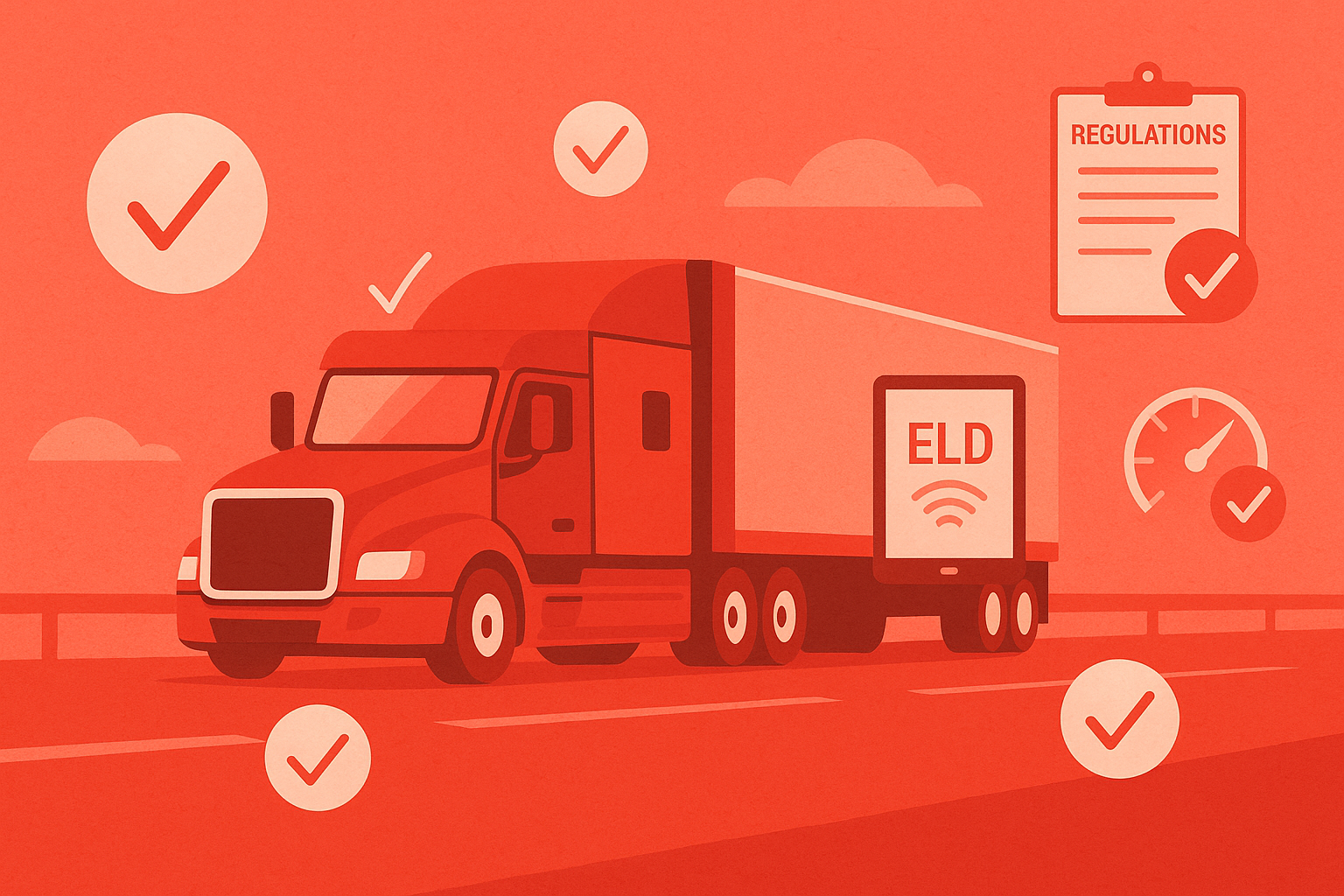
The 2026 federal trucking rules are much stricter, making sure drivers meet new qualifications and trucks have special safety technology like automatic brakes and speed limiters. If companies break these rules - like hiring unqualified drivers or tampering with safety systems - they can get in big trouble if there's a crash, making it easier to prove they were careless. New electronic records and technology give stronger proof in accident cases. These changes mean trucking companies must follow the rules closely, or face bigger penalties if accidents happen. As a result, being safe and following the law is more important than ever for truckers and their companies.
How do the 2026 federal trucking regulations impact accident liability and carrier compliance?
The 2026 updates to federal trucking regulations introduce stricter driver qualifications, mandatory safety technology (like automatic emergency braking (AEB) systems, electronic logging devices (ELDs), and speed limiters), and tighter compliance checks. Violations - such as improper driver certification or tampering with safety systems - significantly increase carriers' accident liability and create stronger evidence for negligence in truck accident claims.
Federal trucking regulations form the backbone of safety standards across America's highways, directly influencing how accident liability is determined when commercial vehicles are involved in collisions. As of March 2026, these regulations have undergone significant updates that reshape both carrier compliance obligations and the legal landscape surrounding truck accident claims.
The Regulatory Framework
The Federal Motor Carrier Safety Administration (FMCSA) oversees commercial trucking operations through comprehensive safety standards. These regulations cover everything from driver qualifications and vehicle maintenance to hours-of-service limits and cargo securement requirements. When carriers violate these federal standards, they create legal vulnerabilities that accident victims can leverage in personal injury claims.
Critical 2025-2026 Regulatory Changes
Enhanced Driver Qualification Standards
The FMCSA implemented stricter English language proficiency requirements for commercial drivers in 2025. For accident investigations, violations of these language standards provide evidence of negligent hiring practices by carriers. When a driver involved in a crash was previously cited for failing to meet language requirements, this creates a documented pattern of non-compliance that strengthens liability arguments.
Non-domiciled Commercial Driver's Licenses have become a focal point of enforcement, with states facing audits for improper CDL issuance. The Rivera Lujan v. FMCSA case, refiled in 2026, challenges the FMCSA's final rule restricting these licenses, which became effective March 16, 2026. This litigation highlights how regulatory changes can affect carrier operations and potential liability exposure.
Mandatory Safety Technology Requirements
New federal mandates in 2025 require commercial vehicles to be equipped with automatic emergency braking (AEB) systems, electronic logging devices (ELDs), and speed limiters set at specific thresholds such as 65 mph. These technological requirements create new evidentiary standards in accident cases. When crashes occur despite these safety measures, attorneys examine whether the required technology performed as designed or whether carriers tampered with these systems.
Tampering with federally mandated safety systems can establish willful negligence or reckless conduct, potentially supporting punitive damages claims in addition to compensatory damages.
The FMCSA has revoked over 20 ELD models in 2026, forcing carriers using these devices to revert to paper logs temporarily. Carriers caught using revoked ELDs face citations for lacking proper duty status records, creating additional liability exposure if accidents occur during non-compliant periods.
Medical Certification and Documentation
Drivers must carry valid Medical Examiner's Certificates proving they meet FMCSA's physical qualifications. Common out-of-service violations include expired certificates, incomplete entries in state databases, or failure to provide proof during inspections. When accidents involve drivers with lapsed medical certifications, this violation can demonstrate that carriers failed to maintain proper oversight of driver qualifications.
How Violations Establish Accident Liability
Building the Negligence Case
Federal trucking regulation violations provide multiple pathways to prove negligence in accident claims:
-
Hours-of-Service Violations: Exceeding HOS limits frequently associates with fatigue-related crashes. ELD data now provides concrete evidence of these violations, making it harder for carriers to dispute driver fatigue as a contributing factor.
-
Vehicle Maintenance Failures: Improper inspection records or maintenance deficiencies violate federal standards. When brake failures, tire blowouts, or mechanical defects contribute to accidents, these maintenance violations become central to liability arguments.
-
Cargo Securement Issues: Improperly secured cargo that shifts or falls can cause devastating accidents. Violations of cargo securement regulations demonstrate carrier negligence in loading operations.
-
Driver Qualification Deficiencies: Operating with drivers who lack proper endorsements, medical certifications, or training creates liability when these deficiencies contribute to accidents.
The Evidence Trail
The 2025-2026 regulatory updates create enhanced evidence sources for accident investigations. Electronic logging device data establishes precise driver activity timelines, revealing HOS violations or patterns of non-compliance. Records of safety technology performance show whether AEB systems activated appropriately or if speed limiters were functioning correctly. Updated FMCSA registration databases help uncover shell companies or "ghost carriers" attempting to evade safety oversight.
Courts are expected to apply higher safety performance standards to vehicles equipped with federally mandated technology, raising the bar for what constitutes reasonable care in commercial trucking operations.
The Causation Requirement
Proving a regulation violation alone does not automatically establish liability in truck accident cases. Attorneys must demonstrate that the specific violation caused or contributed to the collision that resulted in injuries. This causation link strengthens when evidence directly connects the violation to the crash mechanism. For example, ELD data showing a driver exceeded HOS limits immediately before a fatigue-related accident creates a clear causal connection.
Increased Civil Penalties and Compliance Pressure
California faced particularly stringent enforcement in 2026, with FMCSA withholding $140 million in Motor Carrier Safety Assistance Program funding due to lax enforcement of English proficiency and non-domiciled CDL rules. The state responded by revoking thousands of CDLs and increasing roadside inspections, demonstrating how federal pressure translates into stricter state-level enforcement that affects carrier liability exposure.
Emerging Compliance Challenges
Industry experts identify several ongoing compliance challenges that create potential liability risks:
-
CDL Endorsement Mismatches*: When driver endorsements don't match cargo types, drivers are immediately prohibited from moving vehicles, even if loads are already in transit. Accidents occurring with improper endorsements create clear liability.
-
Training Provider Compliance*: FMCSA targets non-compliant CDL training providers with issues like inaccurate records or fraudulent certification. Carriers using drivers trained by these providers face questions about whether drivers received adequate instruction.
-
Financial Responsibility Updates*: Updated requirements for brokers and freight forwarders became effective January 16, 2026, stemming from FMCSA's 2023 final rule. These changes affect how carriers demonstrate financial capacity to cover accident claims.
The Regulatory Landscape Moving Forward
Experts predict continued aggressive enforcement rather than wholesale regulatory changes. FMCSA has acknowledged that current safety rating methodologies are outdated, relying too heavily on rare audits rather than continuous monitoring. Potential reforms to carrier safety ratings and registration systems aim to combat fraud and improve real-time compliance tracking.
For freight carriers, these regulatory developments mean heightened scrutiny of compliance practices and greater legal exposure when violations contribute to accidents. Small carriers and owner-operators face particular audit risks, making proactive compliance monitoring essential. Third-party vetting services and real-time compliance monitoring help carriers identify and correct violations before they lead to accidents or legal claims.
The intersection of federal trucking regulations and accident liability continues evolving as enforcement intensifies and technology creates new evidence sources. Understanding these regulatory requirements and their legal implications remains critical for both carriers seeking to minimize liability exposure and accident victims pursuing compensation for injuries caused by regulatory violations.