
Trucking 2026: The Triple Play of Digital Enforcement, AI Adoption, and Driver Recognition
Trucking 2026: Digital enforcement, AI adoption, and driver recognition are reshaping the industry for safety, efficiency, & talent.
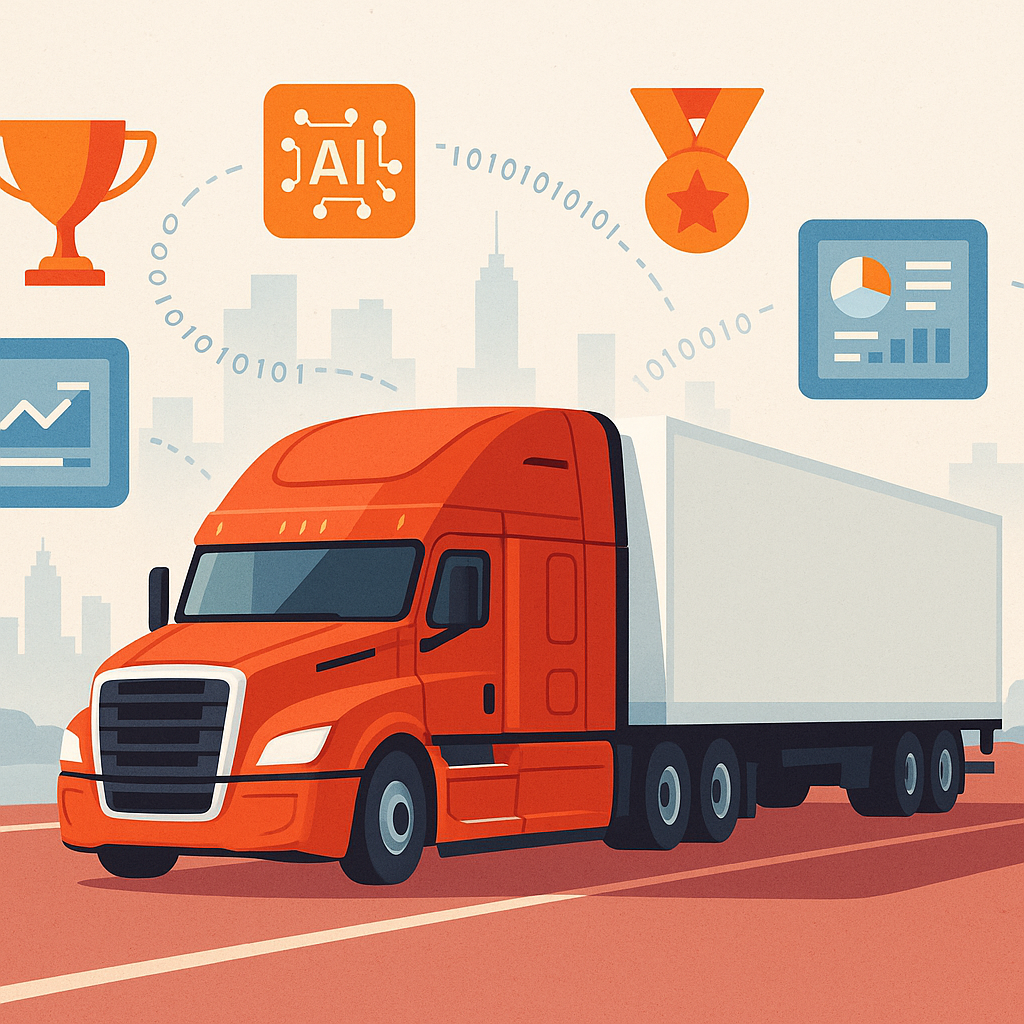
According to industry reports, trucking is changing fast with three big trends: better digital safety checks, more use of smart technology, and bigger rewards for drivers. Trucks now send safety info electronically, letting safe drivers skip checkpoints. Companies use artificial intelligence to plan better routes, fix trucks before they break, and coach drivers in real time. Drivers are being recognized with awards and new programs that use data to reward good performance. All these changes make trucking safer, smarter, and a better job for drivers.
What are the key trends shaping the trucking industry in 2026?
According to industry reports, the trucking industry is defined by three major trends: enhanced digital safety enforcement, accelerated AI and technology adoption in fleet operations, and expanded driver recognition programs. These trends improve compliance, optimize operations, and boost driver morale, transforming how carriers, enforcement agencies, and drivers interact.
The trucking industry's landscape in 2026 is being reshaped by three interconnected forces according to industry observers: enhanced safety enforcement powered by digital tools, rapid technology adoption across fleets, and renewed efforts to recognize professional drivers. These developments are transforming how carriers operate, how enforcement agencies monitor compliance, and how the industry attracts and retains talent.
Electronic Enforcement Takes Center Stage
Safety enforcement is shifting from traditional roadside stops to data-driven screening systems. The Trucking Alliance is piloting what it calls "Level 8 Inspection" concepts with FMCSA, where trucks electronically transmit compliance data - including hours-of-service information - so inspection stations can decide whether a vehicle needs to pull in or can bypass the checkpoint. This approach represents a fundamental change in how enforcement agencies interact with compliant carriers.
Federal support for this technological shift is substantial. FMCSA has announced significant grant funding with resources directed toward roadside inspection technology and systems that connect federal and state commercial motor vehicle safety databases. The investment underscores the industry's move toward connected, data-rich screening instead of relying solely on physical stops and paper documentation.
Electronic logging device oversight is also evolving. FMCSA continues to monitor ELDs on its certified list, with ongoing discussions about potential rule changes. Carriers should expect continued enforcement across multiple compliance areas, including English-language proficiency requirements, CDL verification, and scrutiny of training provider credentials.
Technology Adoption Accelerates
Fleets are rapidly transitioning from data collection to data-driven decision-making. Artificial intelligence has emerged as the dominant technology trend, with applications expanding from route planning into dispatch optimization, predictive maintenance, fraud detection, and driver coaching. AI-powered dash cameras now provide real-time alerts and coach drivers in the moment, moving beyond simple incident recording to active crash prevention.
Predictive maintenance systems are becoming standard fleet infrastructure rather than optional add-ons. These platforms monitor engine vibration, brake wear, tire pressure, and other indicators to catch failures before they occur, resulting in higher uptime and fewer roadside breakdowns. Commercial fleet telematics is widespread and expanding, but available 2026 sources still place adoption around two-thirds overall rather than nearly universal.
Autonomous commercial services are now live in the U.S., with freight routes operating on public highways in controlled hub-to-hub corridors.
Electric trucks continue gaining traction in specific operational niches. Light- and medium-duty electric vehicles are widely deployed in last-mile delivery operations, while charging infrastructure development remains a critical focus area for regional carriers. The technology is proving most effective where route range and charging logistics are manageable.
The software landscape is also consolidating. Trucking technology vendors are moving toward unified platforms that integrate routing, dispatch, billing, and maintenance functions, replacing fragmented systems that required multiple logins and manual data transfers. This shift toward comprehensive software-as-a-service solutions is streamlining operations for carriers of all sizes.
Driver Recognition Programs Expand
The industry's efforts to recognize professional drivers are intensifying through both traditional appreciation events and technology-enabled awards. National Truck Driver Appreciation Week, organized by the American Trucking Associations since 1988, will take place September 13-19, 2026. The annual celebration remains the industry's cornerstone recognition initiative.
Carrier-run programs continue to play a major role in driver retention and morale. Companies maintain various recognition initiatives including Million Milers awards, Diamond Driver programs, Driver of the Month selections, anniversary rewards, and special honors for veterans and women drivers. These programs acknowledge both safety milestones and professional excellence.
Data-driven recognition is emerging as a new category. Many companies are implementing recognition programs that acknowledge safety consistency, hours-of-service compliance, and fuel efficiency using real-time platform data. Technology providers are developing awards programs that honor safety, consistency, and excellence among their customers.
The Truckload Carriers Association's Professional Drivers of the Year Awards will select five winners, each receiving a $20,000 cash prize for demonstrating exceptional safety, professionalism, and leadership.
These recognition programs serve dual purposes: celebrating individual achievement while reinforcing industry-wide safety standards. As fleets adopt more sophisticated monitoring systems, the ability to identify and reward top performers based on objective performance metrics is becoming increasingly sophisticated.
Industry Outlook
The convergence of enhanced enforcement, advanced technology, and driver recognition reflects broader changes in trucking operations. Carriers are investing in systems that improve compliance, reduce costs, and support driver success. Enforcement agencies are leveraging technology to focus resources on higher-risk operations while streamlining processes for compliant carriers.
For drivers, these changes mean more in-cab alerts and coaching, greater use of behavior data in safety management, and more sophisticated route optimization that considers traffic, weather, hours-of-service, fuel costs, and delivery windows simultaneously. The industry is working to balance increased monitoring with meaningful recognition of professional achievement.
As 2026 progresses, the trucking sector continues adapting to regulatory requirements, technological capabilities, and workforce expectations. The year is shaping up as a period of significant operational transformation rather than dramatic rule changes, with technology serving as the primary catalyst for how freight moves, how safety is enforced, and how professional drivers are evaluated and recognized.