
Tariff Surge Ignites Freight Market: Capacity Crunch & Rate Escalation Ahead of 2026 Deadlines
Tariff surge ignites freight market: Importers rush to beat 2026 deadlines, causing capacity crunch & rate escalation.
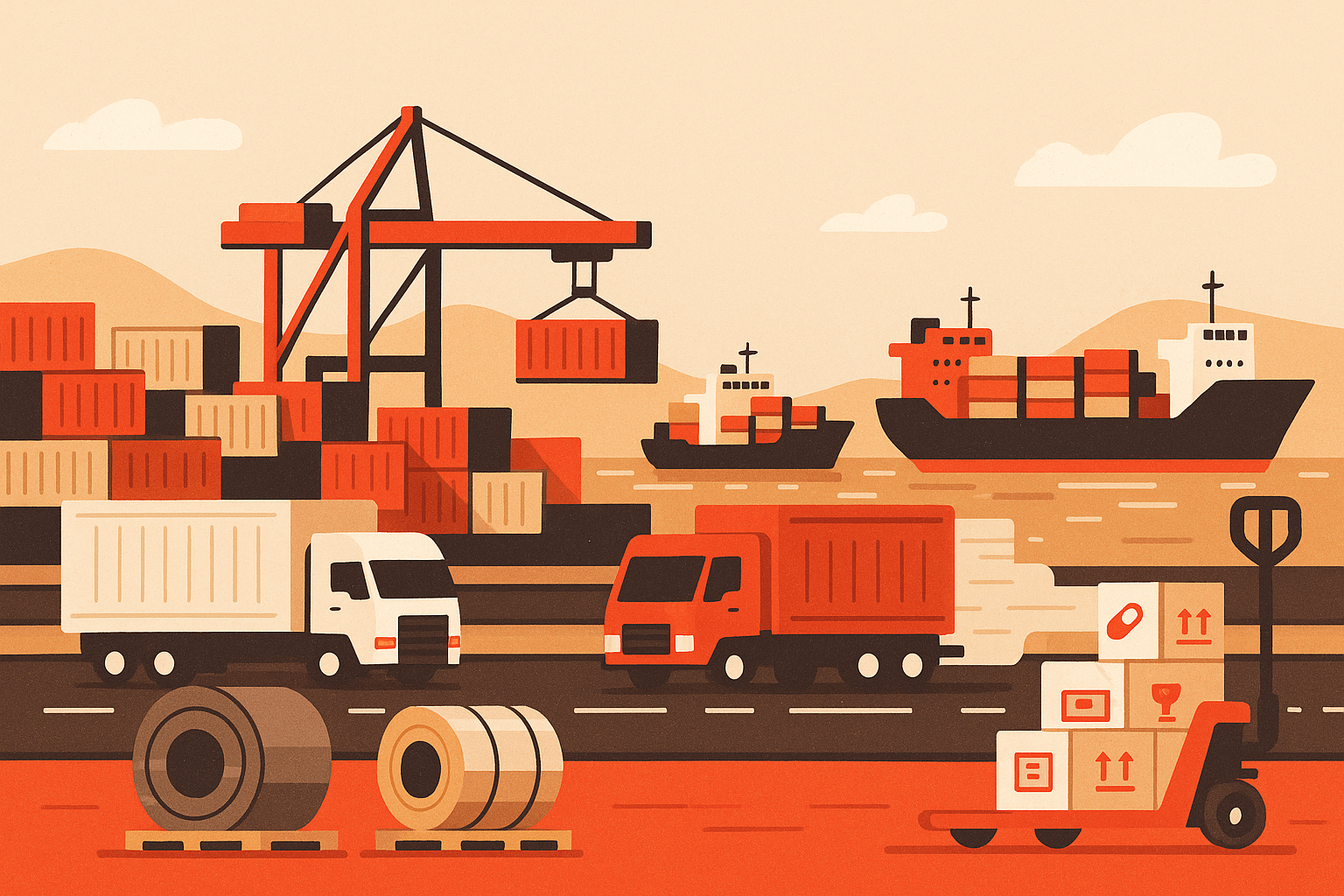
Recent regulatory changes and ongoing trade policy uncertainty have contributed to shifts in import patterns and freight demand. This has created capacity constraints in certain segments of the trucking market, with rates rising in key lanes. While some ports are experiencing mixed volume trends, the combination of regulatory pressures and market dynamics is creating challenges for freight capacity and pricing across different regions.
What impact are regulatory changes having on the US freight market?
Regulatory changes and trade policy uncertainty are contributing to shifts in import patterns, creating capacity constraints in the freight market. This has pushed spot rates higher in many lanes, particularly affecting flatbed and dry van segments across trucking networks.
The freight industry is experiencing capacity tightness as importers navigate regulatory changes and ongoing trade policy uncertainty. This has created elevated demand across truckload markets, pushing spot rates to levels not seen in recent periods.
Import Pattern Shifts
Following the Supreme Court ruling against broad tariffs, trade policy uncertainty has ended, but the effects of previous tariff concerns continue to influence import patterns. Steel imports were up 4.6% in January versus December 2025, reflecting ongoing adjustments in supply chain strategies.
The regulatory environment has triggered responses from importers seeking to optimize their supply chains. These volume shifts have funneled significant freight into the truckload market for inland distribution, creating bottlenecks throughout the supply chain.
The combination of regulatory changes and supply chain optimization has forced importers to reassess their logistics strategies, with capacity becoming a critical constraint.
Spot Rate Increases Across Modes
The capacity crunch has manifested in elevated spot rates across major freight modes. According to industry reports, flatbed spot rates have seen significant year-over-year increases during recent weeks. Dry van rates have also risen substantially during the same period, with many lanes experiencing double-digit percentage increases.
| Freight Mode | Market Conditions | Trend | Primary Driver |
|---|---|---|---|
| Flatbed | Elevated rates | Significant increases | Steel and metals demand |
| Dry Van | Strong demand | Notable rate growth | General freight capacity constraints |
| Refrigerated | Tight capacity | Steady increases | Pharmaceutical and food logistics |
The flatbed segment has been particularly affected due to the specific nature of steel and copper products requiring this equipment type. With continued demand for these materials, flatbed capacity has remained constrained beyond typical seasonal patterns.
Regional Capacity Constraints
Capacity tightness varies significantly across regions. The Midwest and Ohio Valley regions have experienced substantial rate increases driven by steel and manufacturing activity. Southeast ports have shown mixed results, with Port Houston seeing a 4% increase in January 2026, while South Carolina ports declined 4.9%, reflecting broader trends of declining overall U.S. imports.
According to industry reports, dry van utilization has reached very high levels in key lanes such as Chicago-Memphis, pushing rates well above seasonal norms. Load-to-truck ratios reached 7.43:1 nationally for dry van in Week 16, 2026, with particularly tight conditions emerging in flatbed markets.
Port congestion has compounded the situation in some areas. Certain West Coast ports have experienced delays, prompting many importers to favor truckload over rail and intermodal options. This mode shift has further intensified pressure on available truck capacity.
Regulatory Impact on Specialized Freight
Beyond metals, regulatory changes affecting pharmaceuticals and active pharmaceutical ingredients have created additional complexity in the refrigerated segment. According to industry reports, pharmaceutical companies are adjusting inventory positioning strategies ahead of potential policy implementations.
These regulatory considerations are expected to sustain elevated reefer demand, potentially supporting rates through the coming quarters as companies adapt their supply chain strategies.
Broader Market Context
The regulatory-driven capacity constraints come amid an already tightening freight market. Dry van forecasts have been raised to 12% year-over-year growth for 2026, with spot rates elevated versus the prior year. This increase reflects multiple factors beyond trade policy, including carrier attrition, enforcement-related driver shortages, and seasonal weather disruptions.
Tariff revenue was $168.8 billion from January through November 2025, with full 2025 revenue reaching approximately $287 billion. Trade policy continues to influence freight patterns, though the Supreme Court ruling has provided clarity on future tariff implementation.
Industry analysts view the current tightening as structural rather than transitory, with capacity constraints and elevated operating costs creating a fundamentally different cost environment for freight transportation.
Industry Response and Adaptation
According to industry reports, steel mills have been adding capacity to capitalize on market conditions and domestic demand. Pharmaceutical firms are seeking regulatory clarity and exploring supply chain optimization strategies to mitigate the impact of policy changes.
The logistics sector faces a complex balancing act. While current market conditions have created strong demand and elevated rates, questions remain about sustainability. Some analysts predict rates could moderate in coming quarters as supply chains adjust and capacity constraints ease. However, continued regulatory changes and capacity limitations may prevent sharp corrections.
For now, the combination of regulatory uncertainty, capacity constraints, and strong freight demand continues to drive one of the most significant rate environments the freight industry has experienced in recent years, reshaping logistics strategies and cost structures across supply chains.