
Beyond the Wheel: The Enduring Resilience and Economic Imperative of the Trucking Profession
Explore the resilience & economic imperative of trucking. Beyond driving, discover drivers' sacrifices, challenges, and purpose.
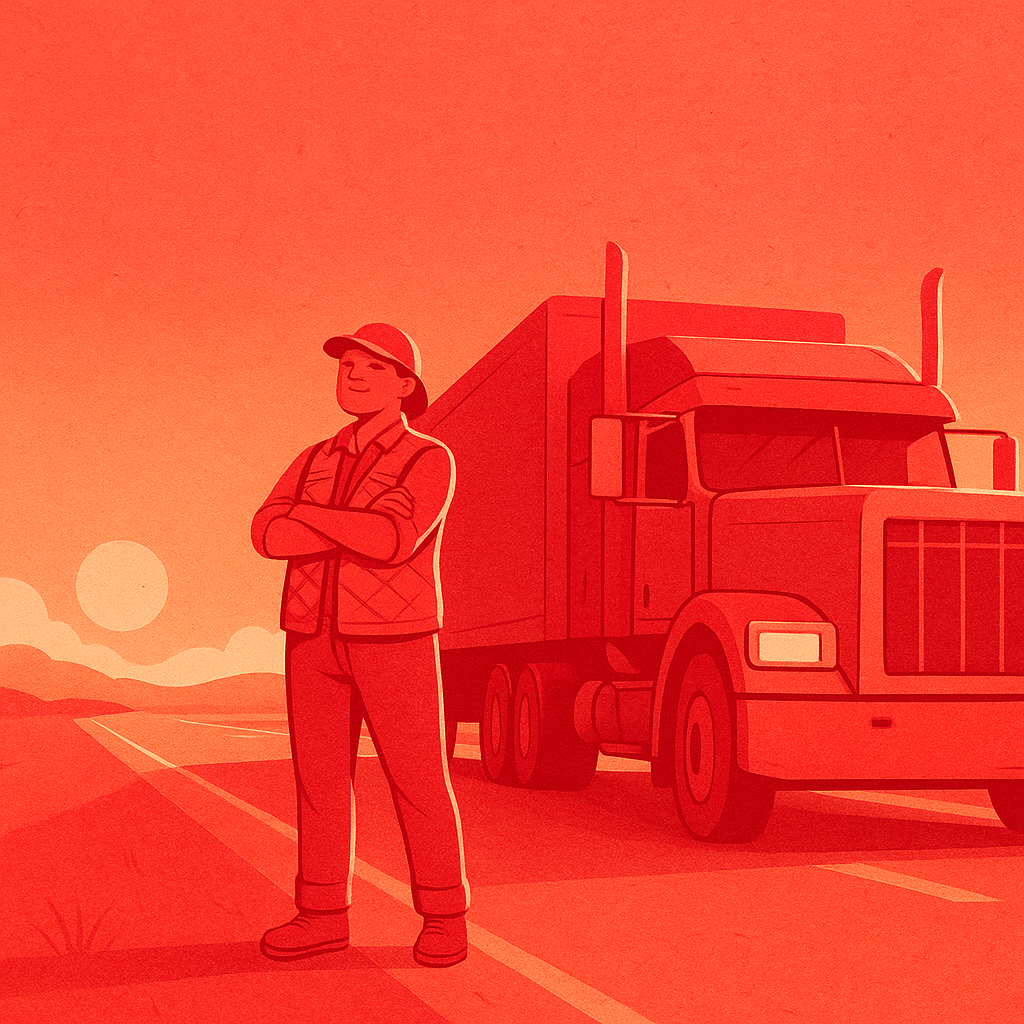
Truck drivers work very hard, spending long hours away from home and facing problems like not enough parking and low pay. Even with tough conditions and lots of stress, they are very important for moving goods and keeping the economy working. Many drivers feel proud of their job, finding freedom on the road and meaning in what they do. Their work is more than just driving; it takes strength, skill, and heart. Even though it's a hard life, many would not trade it for any other job.
What is it really like to be a truck driver?
Truck drivers face demanding conditions: long hours away from family, unpredictable schedules, and industry challenges like parking shortages and compensation pressure. Despite a driver shortage and operational stress, many find meaning in the freedom, resilience, and essential role they play in keeping the economy moving.
The title "This Is More Than Just Driving a Truck" captures a truth that resonates across the entire trucking profession: behind every delivery, every mile logged, and every night spent in a sleeper cab lies a complex world of sacrifice, resilience, and purpose that the general public rarely sees.
The Reality Behind the Wheel
Truck drivers form the backbone of modern commerce, yet their daily experience extends far beyond the act of steering an 18-wheeler down the highway. Recent documentary-style content has begun exploring these deeper dimensions, revealing lives marked by extended separation from family, unpredictable schedules, and the constant pressure of keeping goods moving across vast distances.
Recent documentaries follow women navigating the male-dominated trucking world, documenting not just their technical skills behind the wheel but their resilience through adverse weather, long hours away from home, and the stereotypes they confront daily. Similarly, "A day with a truck driver" offers an authentic look at the early starts, deadline pressures, and dedication required to maintain the supply chain that most consumers take for granted.
The Current State of the Profession
The trucking industry presents drivers with a paradoxical landscape. While demand for qualified drivers remains strong - with industry reports indicating approximately 78,000 unfilled positions in mid-2024 - the profession continues to face significant operational stress.
Driver compensation remains the number one concern among drivers themselves, even as carriers struggle with freight recession and rate pressure.
Industry reports indicate that a significant portion of employers are having trouble filling driver positions, with retention emerging as a primary concern. This dynamic creates better bargaining leverage for experienced drivers with clean records, yet the challenges they face daily remain substantial.
Common Industry Challenges for Drivers
| Challenge | Impact on Drivers |
|---|---|
| Truck parking shortages | Safety concerns, fatigue issues, lost driving time |
| Detention and delays | Reduced earning potential, frustration with facility wait times |
| Compensation pressure | Uneven wage gains despite strong demand |
| Insurance and legal costs | Higher expenses for owner-operators, liability concerns |
| Regulatory changes | Increased compliance burden, emissions rules |
| Fuel volatility | Unpredictable take-home pay, especially for independent operators |
Beyond Economics: The Human Element
What makes trucking "more than just driving" becomes most apparent in the personal stories. The Indian documentary "The Truckers" follows a driver still struggling post-COVID, missing his family while navigating dangerous roads to earn a living. American productions like "American Truckers: Life between Freedom and Frustration" emphasize the contradiction at the heart of the profession: the liberty of open roads and independent travel set against long weeks of family separation, with depression and relationship strain described as common occupational hazards.
Recent documentaries spotlight professional truck drivers, showing how their dedication keeps the nation moving. These narratives consistently reveal that successful trucking requires not just mechanical skill but emotional resilience, adaptability, and a sense of purpose that transcends the paycheck.
The Meaning Drivers Find
Despite the challenges, many drivers describe profound satisfaction in their work. Recent documentaries capture this duality, showing both the sacrifices of extended hours away from home and the gratification of successfully delivering goods that communities depend on. Long-haul drivers often speak of the freedom found in solitude, the pride of mastering complex logistics, and the identity forged through overcoming daily obstacles.
For second-generation drivers featured in "The Great Open," trucking represents family legacy and continuation of tradition. For others, it offers economic opportunity and geographic mobility impossible in conventional careers. The profession attracts those who value autonomy, enjoy problem-solving, and find meaning in tangible results - the delivered load, the satisfied customer, the economy kept flowing.
Looking Ahead
As the industry continues to evolve, forecasts suggest gradual improvement in freight conditions following a prolonged downturn. Specialized opportunities continue emerging in tanker work, hazmat transport, and regional routes for drivers willing to develop specific skills. The persistent driver shortage means qualified professionals maintain relatively favorable job prospects even as broader economic uncertainties persist.
Yet the fundamental truth remains: trucking demands more than most occupations. It requires drivers to serve as logistics coordinators, mechanical troubleshooters, safety managers, and solo navigators of both highways and regulations. It asks them to sacrifice time with loved ones, manage fatigue across irregular schedules, and maintain focus through monotony and stress alike.