
California Diesel Shock: Global Conflict, National Economic Ripples
California diesel prices surge due to global conflict, impacting US economy, supply chains, and consumer costs nationwide.
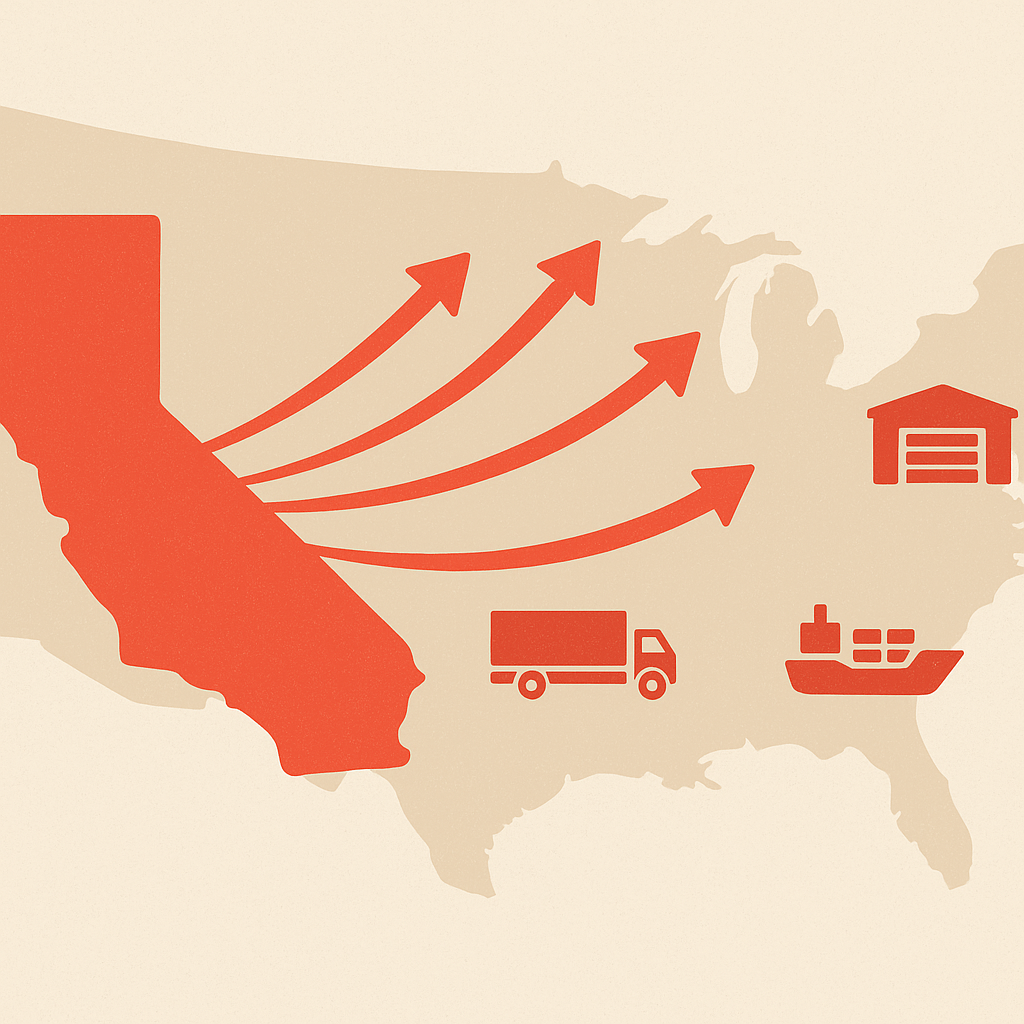
After the Iran war began in 2026, California's diesel prices shot up to almost $7 per gallon, making everything cost more to move and buy. The fighting in Iran and attacks on Russian oil refineries made it hard to get enough diesel, causing a big shortage worldwide. California's high prices matter to the whole country because so many goods pass through its busy ports. Trucking companies, farmers, and stores are all paying more, so regular people feel it too, with higher prices in stores. If the war keeps going, these problems with diesel and costs could last a long time.
Why have California diesel prices surged in 2026, and how does it affect the U.S. economy?
California diesel prices soared to nearly $7 per gallon after the Iran war began in 2026, driven by global supply shocks from Middle East and Russian disruptions. This spike increases freight costs, raises retail prices nationwide, and pressures industries like trucking, agriculture, and logistics.
California diesel prices have surged dramatically since the Iran war began in early 2026, with ripple effects spreading across the entire U.S. economy. According to CNBC's August 2026 report, the state's diesel price reached $6.92 per gallon, up from $5.10 before the conflict started, while the national average climbed to $5.36 per gallon.
The Global Supply Shock
The war has created an unprecedented strain on global diesel markets. Industry expert Andy Lipow was quoted as estimating that the combination of the Iran conflict and Ukraine-related attacks on Russian refining infrastructure had left the world short about 8% of global diesel demand, though this represents his assessment rather than a broadly established market statistic. The potential closure of the Strait of Hormuz was described by Lipow as potentially disrupting about 13.5 to 14.5 million barrels per day of oil flows.
"The combination of the war in Iran and Ukraine ramping up attacks on Russian refining infrastructure means the world is now short about 8% of global diesel demand."
The impact on refined petroleum products has been more severe than on crude oil itself. The U.S. Energy Information Administration's Short-Term Energy Outlook indicates that diesel and jet fuel wholesale prices rose significantly in 2026 versus pre-conflict forecasts. Reuters reported that U.S. diesel futures posted substantial daily gains after Russia's export ban, with wholesale diesel expected to jump significantly per gallon.
Why California Matters to National Markets
California's position as home to the highest fuel prices in the United States carries national significance. The state hosts the busiest containership port complex in the nation at Los Angeles and Long Beach, which together support more than 200,000 jobs. As petroleum-product markets remain tight six months into the war, consumers across the country face higher prices for everyday products that move through California's logistics network.
JPMorgan analysts noted that a meaningful share of America's supply chain pays West Coast fuel prices, meaning California's diesel costs influence freight rates, transportation margins, and delivered goods nationwide. The Los Angeles Times reported that shipping expenses at the state's major ports doubled during the conflict.
| Industry Sector | Primary Impact | Reported Consequence |
|---|---|---|
| Trucking/Freight | Direct fuel operating costs | Many firms temporarily halted operations |
| Agriculture | Equipment and transport fuel | Doubled shipping costs at major ports |
| Retail | Higher freight and warehousing | Increased shelf prices nationwide |
| Government Fleets | Public operations fuel | Significant increase in Caltrans fuel costs |
Economic Consequences Across Industries
The trucking industry has faced particularly acute pressure. California diesel prices reached record levels in April 2026, with AAA showing $7.648 on April 11, 2026 and other sources putting the April average around $7.57. Industry reports indicated that a significant number of surveyed trucking firms temporarily halted operations due to the fuel spike. Small carriers without long-term fuel contracts have struggled more than major operators who can absorb shocks through surcharges and negotiated rates.
California is home to the highest fuel prices in the U.S. as well as the busiest containership port complex in the nation, creating a bottleneck that affects supply chains nationwide.
Agricultural operations have absorbed substantial cost increases as diesel powers both farm equipment and food transport networks. California's large manufacturing and logistics sectors have had to integrate these higher fuel costs into their operations. State agencies have also felt the impact, with Caltrans reporting substantially higher fuel costs since the war began.
Industry reports showed the U.S. national average diesel price reached $3.72 per gallon in February 2025, up from $3.52 in January 2025 and above February 2024 levels. This steady climb reflected the tightening global supply situation even before prices spiked further in spring.
Structural Market Pressures
Diesel and jet fuel prices have risen faster than gasoline because Middle Eastern crude generally yields a higher share of these middle distillates. When Middle East flows are disrupted, the market loses a disproportionate amount of the feedstocks and product streams that support diesel output. The Bipartisan Policy Center reported that U.S. diesel prices rose substantially year-over-year, outpacing gasoline price increases.
Refineries have limited capacity to offset the shock domestically. CNBC reported in July that U.S. refineries were running at very high capacity levels, yet inventories had not been replenished. U.S. diesel benchmark prices jumped nearly 34 cents in one week to $5.13 per gallon. With refineries already near maximum utilization and crude inventories depleted early in the conflict, near-term domestic production increases remain constrained.
Reuters noted in July that diesel markets were flashing a supply crunch even as crude oil prices calmed, demonstrating that refined-product scarcity can keep diesel expensive independently of headline crude prices. Europe's diesel refining margins hit a record $66.25 per barrel after Russia banned diesel exports, indicating multiple simultaneous supply shocks.
Broader Economic Implications
The diesel price surge has created cascading effects throughout the economy. Transportation costs embedded in delivered prices mean consumers face higher costs for groceries, parcels, and manufactured goods. Federal Reserve Vice Chair Philip Jefferson warned that prolonged elevated energy prices can force households to cut discretionary spending, potentially weakening demand for restaurants, retail, and services.
Parcel delivery companies including FedEx, UPS, USPS, and Amazon announced additional surcharges to cover rising fuel costs. Small trucking operations face margin compression and possible shutdowns without the pricing power of larger carriers. California's state budget office expects elevated energy prices to reduce real purchasing power and raise broader costs for businesses and consumers.
The global dimension remains critical. Reuters reported that the escalating conflict threatens Asian refiners' plans to ramp up output, which could keep global fuel stocks tight and support continued high prices. Bloomberg warned of possible diesel shortages in Europe in coming weeks if Middle East supply disruptions continue. The combination of tight global inventories, reduced Middle East flows, and strong demand suggests diesel prices may remain elevated even if crude prices moderate.