
Diesel Price Dynamics: Navigating Volatility in a Tight Market
Diesel prices dropped July 28, offering brief relief amid volatile crude oil and tight refined product markets. Supply issues persist.
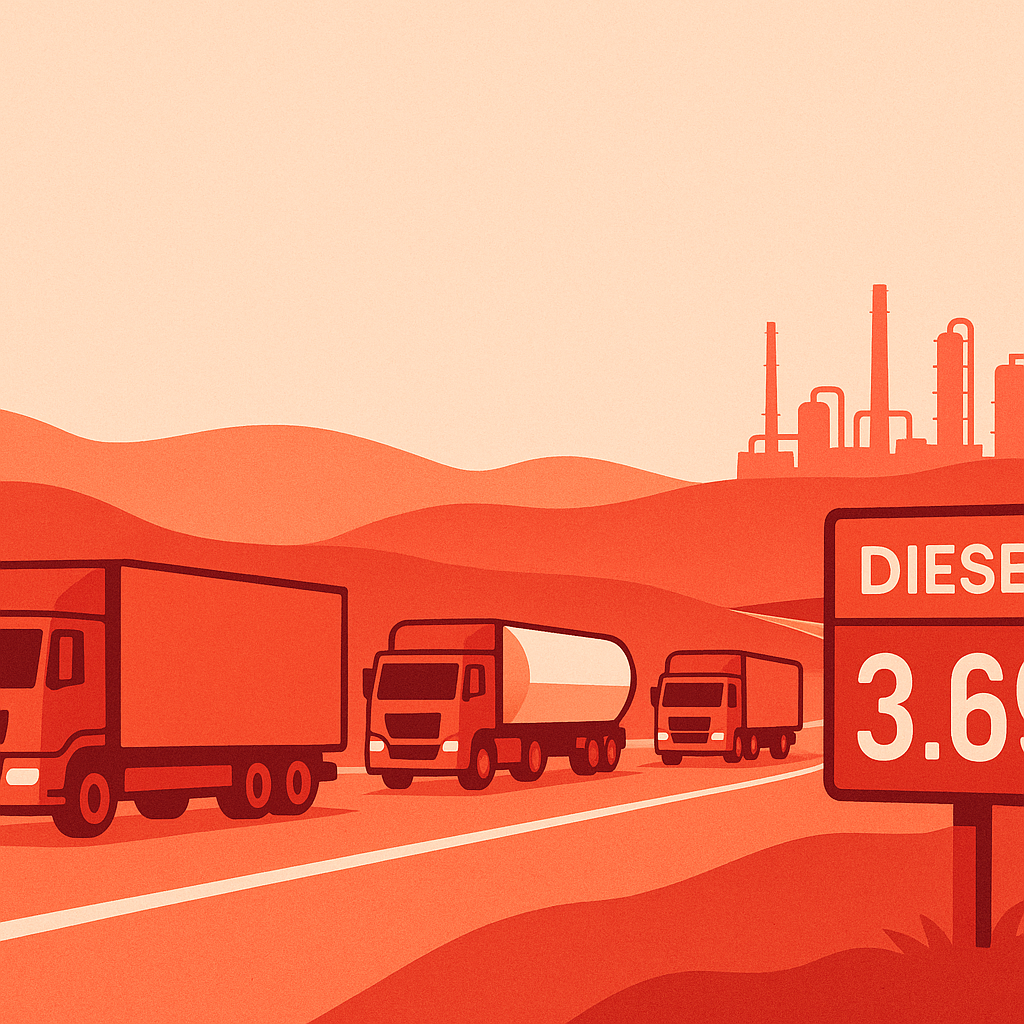
According to industry reports, diesel prices have been experiencing significant volatility because of complicated global and local reasons. Available sources show diesel remained elevated amid shortages, geopolitical disruption, and demand pressure. Local rules, taxes, and transportation costs also make diesel prices different from place to place. Trucking companies feel these changes a lot, since fuel is a big part of their costs, and rising diesel prices make moving goods more expensive for everyone. Even with some price fluctuations, experts think prices will stay wild for the rest of the year, so companies need to plan carefully.
What are the main factors influencing diesel prices?
According to industry reports, diesel prices are shaped by a combination of global and regional factors, including volatile crude oil prices, tight refined product markets, low inventories, supply disruptions, refinery constraints, local regulations, transportation costs, and seasonal demand. These elements create ongoing price volatility, impacting transportation and freight costs.
Diesel prices showed a modest decline on July 28, 2026, offering a brief moment of relief in what has been a volatile fuel market throughout the summer. While the decrease was small, it reflects broader dynamics playing out across global energy markets, where crude oil prices have been easing from their spring peaks even as refined product markets remain structurally tight.
Global Market Context
The fuel price movement on July 28 came against a backdrop of significant crude oil market shifts. According to the U.S. Energy Information Administration's July 2026 outlook, Brent crude oil spot prices showed significant declines from their spring peaks. The EIA projected continued downward pressure on crude prices in the third quarter.
The International Energy Agency reported that benchmark crude oil prices "continued their downward slide in June," with North Sea Dated prices falling substantially over the month to reach their lowest level since January. The IEA attributed much of this decline to an interim ceasefire agreement between the United States and Iran, which supported a "strong recovery in oil flows through the Strait of Hormuz."
However, late July saw renewed volatility. According to industry reports, spot prices rebounded sharply, illustrating the week-to-week swings that have characterized recent market conditions. The EIA cited "increasing oil supply and moderating inventory draws" as key factors enabling the broader price decline from spring highs.
The Diesel Market Disconnect
While crude oil prices softened through June and early July, the diesel market told a different story. The IEA noted a "disconnect between apparently well supplied crude oil markets and tight product markets" that pushed refinery cracks and margins to four-year highs by early July.
This tightness in refined products stemmed from several factors:
- Supply disruptions: Iran-related disruptions and Russia's diesel export ban after attacks on refining infrastructure constrained global diesel availability
- Low inventories: According to industry reports, U.S. gasoline stocks reached their lowest levels for early July in recent years, while OECD product inventories remained below historical averages
- Refinery constraints: Even as crude supplies improved, refining capacity struggled to keep pace with seasonal demand
- Seasonal pressure: Summer travel demand in key markets increased consumption just as inventories were already tight
Industry reports indicated that diesel and jet fuel wholesale prices would rise significantly compared to pre-conflict February forecasts, making diesel among the most affected product categories despite the easing crude market.
Regional Factors Influencing Prices
Fuel prices at the pump reflect more than just global crude oil costs. Multiple regional factors create significant local variation:
-
Component Breakdown*: Crude oil costs typically represent the largest share of retail diesel prices, but refining costs and profits, distribution and marketing expenses, and taxes all contribute to the final price consumers pay. The relative weight of each component varies by region and over time.
-
Transportation Distance*: Regions farther from major supply centers face higher costs because moving fuel long distances through pipelines, terminals, or trucks adds expense and can slow delivery when logistics networks are strained.
-
Local Regulations*: Some areas require special fuel blends that limit supply flexibility and raise local refining costs. State and local taxes create persistent price gaps between neighboring markets.
-
Supply Chain Stress*: When local supply chains face disruptions or when regional inventory levels drop, price swings can exceed movements in the underlying crude market.
Transportation and Logistics Impact
Diesel price changes ripple through the economy because fuel represents a major cost component for freight transportation. Industry data shows fuel accounts for a significant portion of total cost per mile for trucking operations, while some analyses place the share as a substantial portion of total road freight operating costs.
When diesel prices rise, carriers typically respond through several mechanisms:
- Increasing base freight rates to maintain margins
- Raising fuel surcharge percentages on existing contracts
- Adjusting route optimization to minimize fuel consumption
- Passing costs through to shippers and, ultimately, consumers
The 2026 market has demonstrated these dynamics clearly. According to industry reports, transport prices per mile rose substantially during the year, tracking the diesel cost increases. C.H. Robinson reported significant diesel price increases from January to February 2026, with sustained volatility expected to maintain pressure on freight rates.
Smaller carriers face particular challenges during periods of high diesel prices. They often lack the negotiating power to secure better fuel rates or pass costs through quickly, creating cash-flow strain. Substantial increases in U.S. diesel prices earlier in 2026 strained independent truck drivers and slowed the trucking sector's recovery, while larger carriers proved better able to absorb the shock through fuel surcharges and bulk purchasing agreements.
Market Outlook
The July 28 diesel price decline, while modest, occurred during a period when multiple forces were pulling fuel markets in different directions. Lower crude oil prices provided some downward pressure on costs, while tight refined product markets, low inventories, and seasonal demand supported prices.
The EIA's July 2026 outlook anticipated that lower crude oil prices would reduce U.S. retail gasoline prices in the third quarter, though it noted that regional prices would continue to vary based on local market conditions. For diesel specifically, the structural tightness in refined product markets suggested that price relief might lag behind crude oil declines.
Market participants faced continued uncertainty from geopolitical developments. The IEA warned that escalations could "upend the forecast that sees the market flipping to a surplus next year," highlighting the potential for rapid reversals in price trends.
For businesses dependent on diesel fuel - particularly in transportation, logistics, agriculture, and construction - the July 28 price movement represented a small positive development in an otherwise challenging year. However, according to industry reports, the broader market dynamics suggested that significant volatility would likely persist, making fuel cost management and hedging strategies important considerations for fleet operators and supply chain managers.