
Diesel Price Volatility: Navigating Regional Disparities and Geopolitical Pressures
Diesel prices dip slightly amid volatility. Regional disparities, geopolitical tensions & crude oil movements drive cost increases for businesses.
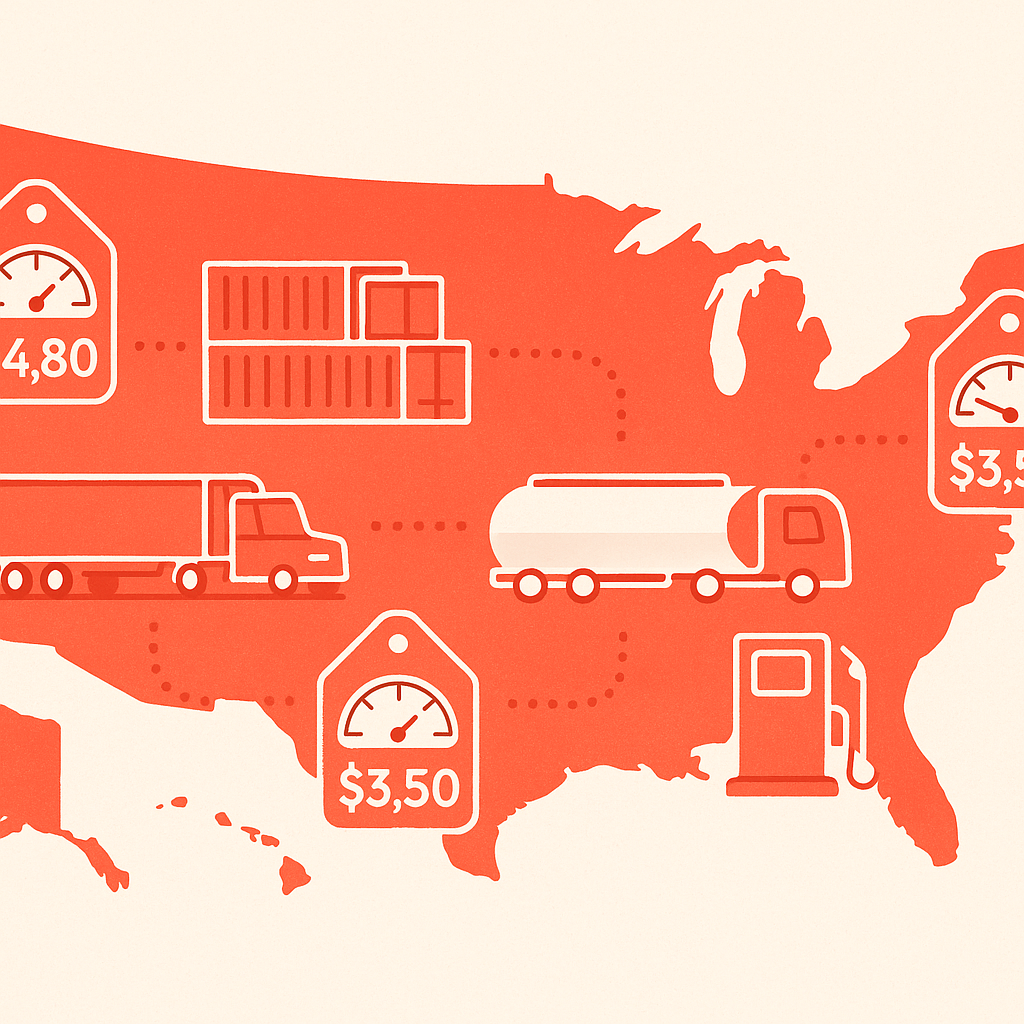
According to industry reports, diesel prices are experiencing volatility due to factors like oil cost fluctuations, refinery capacity changes, geopolitical tensions, and seasonal demand patterns. Prices vary significantly across the U.S. - with California typically having among the most expensive diesel, and the Gulf Coast generally having lower prices. Even when prices drop temporarily, they often remain elevated compared to previous periods, creating challenges for trucking and shipping companies. Companies are exploring strategies like optimizing delivery routes and adjusting inventory positioning. Every change in diesel prices matters significantly, so businesses are monitoring carefully to plan their next move.
What factors are driving diesel price volatility?
According to industry reports, diesel price volatility is influenced by global crude oil price movements, regional disparities, geopolitical tensions affecting supply, refining capacity changes, and seasonal demand fluctuations. These factors combine to impact costs for transportation and supply chains nationwide.
Daily Diesel Price Movement Signals Broader Market Trends
Industry reports indicate that diesel prices have experienced fluctuations in the retail market, continuing a pattern of volatility that has characterized fuel markets. These movements occur against a backdrop of elevated diesel costs that often remain substantially higher than year-ago levels, even as periodic fluctuations offer temporary relief to commercial operators and logistics companies.
Market data suggests the national diesel average has shown both weekly declines and year-over-year increases during certain periods. This mixed signal - short-term easing amid long-term elevation - captures the complex dynamics shaping fuel markets.
Regional Price Disparities Remain Pronounced
Price movements do not affect all markets equally. Regional variations continue to create vastly different operating environments for transportation companies across the United States.
According to industry sources, regional diesel pricing typically shows significant disparities:
- California generally maintains the highest prices in the nation
- West Coast regions often exceed national averages
- New England typically shows elevated pricing
- Central Atlantic regions usually price above national averages
- Gulf Coast areas generally offer the lowest major regional prices
These regional price differences create operational cost disparities that force logistics companies to adjust routing and sourcing strategies based on geographic fuel exposure.
Geopolitical Pressures Drive Underlying Volatility
Market fluctuations represent pauses in what has been a turbulent period for diesel markets. Multiple supply-side factors have influenced price pressures:
Available sources indicate Brent crude was declining in July 2026, with estimates around $69-$72 per barrel early in the month and EIA reporting a June average of $85/b before forecasting lower prices. The U.S. Energy Information Administration forecasts Brent prices to average $74 per barrel in the third quarter of 2026 and $70 per barrel in the fourth quarter, suggesting continued volatility ahead.
Renewed military tensions involving Iran and concerns over shipping disruptions through the Strait of Hormuz have amplified supply risk premiums. Additionally, according to industry reports, international diesel export restrictions have affected global diesel availability, creating ripple effects across markets.
Reduced refining capacity in certain regions has compounded these pressures, limiting the ability of domestic production to offset international supply constraints. Seasonal summer demand has further intensified competition for available diesel supplies.
Corporate Logistics Face Mounting Cost Pressures
For businesses dependent on diesel-powered transportation, even small daily price movements carry significant implications. According to industry reports, many carriers have responded by adjusting base freight rates while modifying fuel surcharge percentages, creating a compounding effect that amplifies total shipment costs beyond what fuel prices alone would suggest.
The dual pressure of rising base rates and escalating surcharges means total logistics costs are climbing faster than headline fuel prices indicate, forcing supply chain managers to recalibrate budgets and pricing strategies.
The operational impact extends across multiple cost channels. Fleet fuel expenses rise directly with pump prices. Contract carriers pass through surcharges that adjust weekly or monthly. Spot market rates for trucking services inflate as capacity tightens. Refrigerated transport faces additional energy costs. These pressures ultimately flow through to consumer prices for goods ranging from groceries to construction materials.
Strategic Responses Emerge Across Supply Chains
Companies are adapting to fuel price volatility through both financial and operational measures. While hedging instruments can smooth budget planning, they do not reduce actual fuel consumption. As a result, logistics managers increasingly focus on route optimization, carrier allocation decisions, and network redesign to structurally reduce fuel exposure.
Some firms are shifting inventory positioning closer to demand centers, reducing the distance goods must travel. Others are evaluating mode shifts where rail or intermodal options might offer cost advantages over long-haul trucking. Local sourcing strategies gain appeal when transportation costs rise high enough to offset other production cost differentials.
Network strategy decisions that once focused primarily on labor costs and production efficiency now must weigh fuel exposure as a central variable in supply chain design.
The capacity implications also warrant attention. Higher sustained diesel prices can force marginal trucking operators out of the market, reducing available capacity even after fuel prices eventually ease. This dynamic creates longer-term tightness that persists beyond the immediate price spike.
Monitoring Daily Movements for Strategic Insight
Daily diesel price movements, while sometimes modest, serve as valuable data points for companies tracking fuel cost trends. Daily price monitoring enables more responsive decision-making around fuel purchasing timing, route selection, and freight bid evaluation. Weekly averages smooth out daily noise while monthly trends reveal whether price movements represent temporary fluctuations or sustained directional shifts.
Market observers continue to analyze whether recent price movements signal the beginning of sustained trends or merely brief fluctuations before renewed pressure. With crude oil forecasts showing mixed signals - ranging from bullish scenarios above $90 per barrel to bearish outlooks near $60 - diesel price trajectories remain uncertain.
Transportation-dependent businesses continue to navigate an environment where fuel costs represent both a significant operational expense and a source of persistent budgetary uncertainty. Daily price updates contribute to the evolving picture that shapes logistics strategy and supply chain planning decisions.