
Middle East Tensions Drive Diesel Price Surge, Threatening Global Supply Chains and Economic Stability
Middle East tensions drive diesel prices up, threatening global supply chains, trucking, and consumer prices. Economic stability at risk.
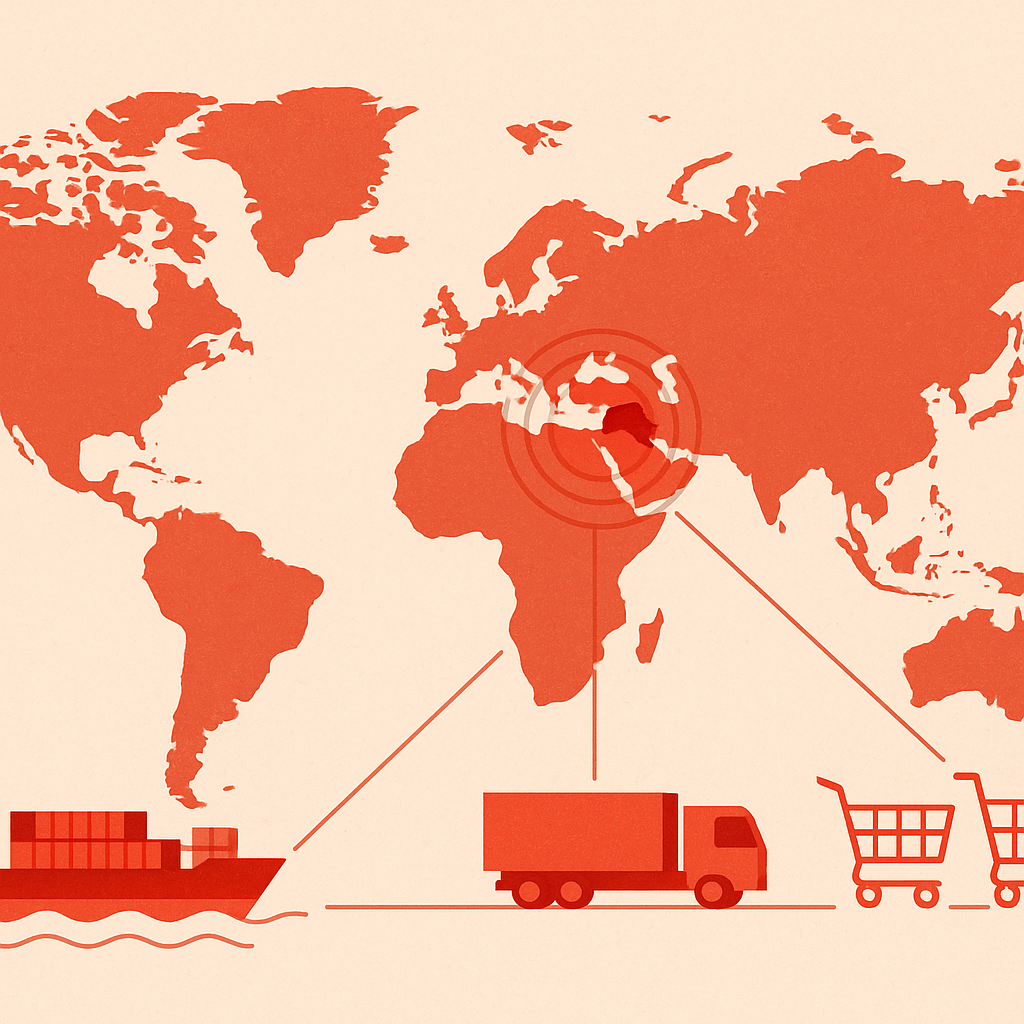
Diesel prices are rising fast because tensions and conflict in the Middle East are disrupting fuel supplies and shipping routes. This makes it more expensive for trucking companies to move goods, and some smaller truckers are struggling to stay in business. As trucks are key to delivering everything from food to building materials, these higher fuel costs mean everyday things in stores get more expensive. Europe is feeling this even more because it relies heavily on shipped diesel. If trouble in the Middle East continues, prices could stay high and make life costlier for everyone.
Why are diesel prices surging and how does it impact global supply chains?
Diesel prices are surging due to Middle East geopolitical tensions disrupting refined fuel supplies, especially through key shipping lanes. This spike strains the trucking industry, raises shipping and operating costs, forces some carriers out of business, and leads to higher consumer prices, particularly for groceries, goods, and construction materials.
Diesel Prices Surge as Middle East Tensions Disrupt Supply Chains
The trucking industry faces mounting pressure as diesel prices climb sharply, driven by geopolitical disruptions in the Middle East that have sent ripple effects through global supply chains. Unlike previous fuel crises that affected gasoline and diesel equally, this surge has hit diesel markets particularly hard, threatening to slow economic recovery and push consumer prices higher.
Middle East Conflict Hits Diesel Harder Than Gasoline
Geopolitical instability in the Middle East has created an asymmetric shock to fuel markets. According to the Bipartisan Policy Center, diesel prices have experienced significantly larger increases compared to gasoline. The disparity stems from diesel and jet fuel markets being tighter and more dependent on Middle East refined-product flows than gasoline markets.
Industry reports indicate that U.S. diesel futures have surged to multi-year highs following supply disruptions, with analysts warning that interruptions to shipping through the Strait of Hormuz could cut diesel supply by several million barrels per day. The International Monetary Fund reported that the conflict has already reshaped supply chains by rerouting tankers and container ships, which raises freight and insurance costs while lengthening delivery times.
Industry analysts report that the conflict has caused substantial drops in global oil supply, with oil prices climbing significantly.
Trucking Industry Struggles Under Cost Pressure
For trucking companies, the diesel spike comes at a particularly difficult moment. Reuters reported that rising fuel costs were "hindering a much-anticipated recovery in the trucking sector" while straining the cash flow and profits of independent drivers. Industry reports show that U.S. average diesel prices have increased substantially in recent months.
Fuel represents a significant portion of total cost per mile for truckers, according to industry benchmarking. This creates immediate pressure because carriers pay for diesel upfront but often wait 30 days or more for freight payment, generating working-capital strain.
| Impact Category | Effect on Trucking |
|---|---|
| Operating Costs | Direct increase in cost per mile, eroding thin margins |
| Cash Flow | Immediate fuel expenses vs. delayed customer payments |
| Market Exits | Weaker carriers forced out, especially small fleets |
| Pricing Pressure | Fuel surcharges rise; smaller operators struggle to pass costs through |
| Service Disruption | Capacity tightens as carriers exit, affecting shipper reliability |
Smaller carriers face the greatest risk. FTR analyst Avery Vise told Marketplace that "there will certainly be a lot of small trucking companies that aren't going to be able to survive this surge in diesel prices." These operators have less negotiating power and fewer tools to offset fuel increases compared to larger fleets with bulk purchasing agreements and established surcharge mechanisms.
Consumer Prices Feel the Squeeze
The diesel shock is already working its way through to retail prices. Because diesel powers the trucks that move nearly everything consumers buy, transportation cost increases eventually appear on store shelves. Industry reports indicate that costs are likely to show up in prices for mailed items, small-business purchases, and other delivered goods as contracts are renegotiated.
Groceries face particular exposure because food moves through diesel-dependent trucking and agriculture. Forbes analysis indicated that higher diesel costs push up "groceries, construction expenses, and other goods," while construction and housing-related items become more expensive due to diesel-powered machinery and transport needs.
Diesel and home heating oil are virtually the same product, meaning diesel spikes can also raise heating costs for households.
The inflationary transmission mechanism follows a predictable pattern:
- Transportation costs rise as shippers pay more for diesel and add fuel surcharges
- Businesses absorb the shock briefly before adjusting prices
- Retail prices increase for food, household goods, and construction materials
- Broader inflation persists as diesel affects inputs across multiple supply chain stages
Investing.com analysis warned that elevated diesel prices could hurt inflation, consumer spending, corporate profits, and overall growth because businesses eventually have little choice but to pass on higher transportation costs. This dynamic risks slowing disinflation or even re-accelerating inflation if the price shock proves large and persistent.
Europe Faces Acute Pressure
European markets have experienced some of the fastest diesel price increases because the region imports substantial refined-product volumes and depends heavily on shipping lanes affected by Middle East disruptions. The combination of tight supply, rerouted shipments, and elevated insurance costs has created particularly sharp price movements in European diesel markets.
Outlook Remains Uncertain
The diesel market's trajectory depends heavily on how Middle East geopolitical tensions evolve. Sustained volatility in oil markets could keep upward pressure on fuel surcharges and freight rates, while any prolonged shipping interruptions through critical chokepoints would likely produce outsized price spikes, especially given current inventory levels.
Industry observers have noted that fuel spikes have historically coincided with carrier failures, and several analysts have warned that the combination of rising costs and market instability has already forced some carriers to exit or file for bankruptcy. RTS reported that many companies, especially small and medium fleets, are struggling to budget, forecast, and maintain consistent revenue because demand remains uneven and seasonal patterns continue shifting.
For now, the diesel surge represents a clear transmission mechanism from Middle East geopolitical risk into the wider economy, with trucking serving as the primary channel through which fuel price increases flow into consumer goods, construction costs, and broader inflationary pressure.