
Driving Change: Spain's Youngest Female Trucker and the Future of Logistics
Meet Andrea García Cano, Spain's youngest female trucker, breaking barriers in a male-dominated industry facing a huge driver shortage.
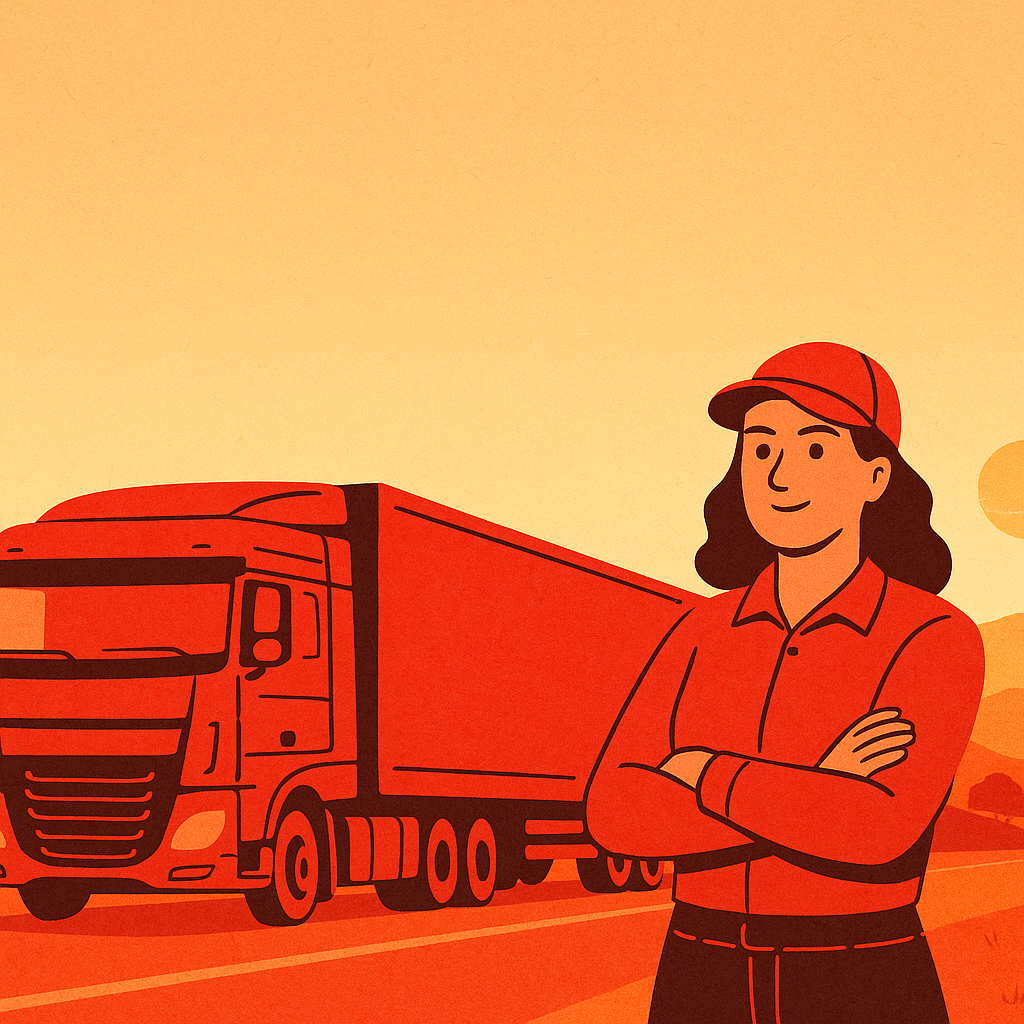
Andrea García Cano, at just 22, has become one of Spain's youngest female truck drivers, breaking barriers in a field where women represent a small minority of drivers. The trucking industry in Spain is struggling with a significant shortage of workers and an aging group of drivers, so more women like Andrea are needed. Women who want to be truck drivers face hard training, low pay, long hours, and safety worries, but new government efforts are trying to make things better. Andrea's story shows that girls can do this tough job too, and her success is helping to change old ideas about who belongs behind the wheel. If more women join, it could help solve the industry's biggest problems and make it fairer for everyone.
What challenges and opportunities do women face in Spain's trucking industry?
Women in Spain's trucking industry face significant obstacles, including complex and costly training, stagnant wages, long hours, and personal safety concerns. However, severe driver shortages and an aging workforce create opportunities. Increasing female participation is crucial for the sector's future, with government initiatives aiming to reduce barriers.
At 22, Andrea García Cano from Olesa de Montserrat, Barcelona, has earned recognition as one of Spain's youngest female articulated-lorry drivers. Her achievement stands out in an industry where women represent a small minority of professional drivers and the workforce has an aging demographic profile.
Breaking into a Male-Dominated Field
Andrea obtained her rigid-truck license at 21, followed shortly by her articulated-trailer certification. This early entry into professional driving places her at the forefront of a generation that the Spanish transport sector desperately needs. The country faces a significant shortage of positions that employers cannot fill, according to government statements from March 2024.
Her story challenges persistent stereotypes in an industry where women make up a small portion of staff in road freight transport overall, with their presence concentrated in administrative rather than operational roles. Of the many truck licenses issued annually in Spain, a minority go to women.
An Aging Workforce Creates Opportunity
The Spanish trucking industry faces a demographic crisis that makes Andrea's youth particularly significant. A significant portion of truck drivers in Spain are over 55 years old, and the sector confronts an imminent wave of retirements with insufficient younger workers to replace them.
This aging profile creates both urgency and opportunity. The Ministry of Transport has explicitly identified increasing women's participation as essential to the sector's future viability. Thirty urban and metropolitan transport operators have launched campaigns to attract female drivers, recognizing that labor scarcity makes inclusion a practical necessity rather than merely an equality initiative.
The Barriers Women Face
Despite the sector's pressing need for workers, women encounter significant obstacles. The Ministry of Transport's analysis identifies complex and costly training paths, stagnant wages, long hours away from home, and insufficient rest areas as entry barriers that weigh especially heavily on women.
Work-life balance difficulties, exposure to harassment, and lack of corporate gender policies remain concrete obstacles to women considering truck driving careers.
Personal safety concerns add another layer of difficulty. The sector analysis highlights violent behavior and sexual harassment as barriers that directly affect recruitment and retention. Without company policies supporting gender-balanced hiring and mechanisms to protect women in traditionally male professions, the industry struggles to attract and keep female drivers.
A Strategic Talent Pool
Spain's female driver participation rate lags behind other European countries according to industry reports. Some European countries report higher rates of female professional drivers. This gap suggests Spain has room to improve through measures already proven elsewhere: better rest facilities, anti-harassment policies, mentoring programs, and targeted recruitment campaigns.
The substantial truck driver workforce in Spain includes a small minority of women, despite many women holding truck licenses. This discrepancy indicates that obtaining credentials does not automatically translate to employment or retention in the field.
The Road Ahead
Andrea García Cano's entry into professional driving at such a young age demonstrates that change is possible. Her presence on Spanish roads challenges assumptions about who belongs in the cab of an articulated lorry. In an industry facing severe labor shortages and an aging workforce, her career path points toward a necessary transformation.
The sector's own shortage makes women a strategic source of talent. If barriers to entry and progression are reduced, women could help address vacancies and diversify a workforce with an aging profile.
The Spanish government's recognition of gender barriers and its support for inclusion initiatives signal institutional awareness of the problem. Whether that awareness translates into meaningful change depends on concrete actions: safer working conditions, flexible schedules that accommodate family responsibilities, zero-tolerance harassment policies, and recruitment campaigns that actively counter stereotypes.
For Andrea García Cano and the small but growing number of women entering the profession, the challenge extends beyond proving their capability behind the wheel. They are reshaping an industry that has long defined itself as male territory, demonstrating that talent and determination matter more than outdated assumptions about who can drive Spain's trucks.