
EPA Proposes Amendments to Heavy-Duty Truck Emissions: Balancing Compliance and Cost
EPA proposes changes to heavy-duty truck emissions compliance for 2027+ models, easing warranty/durability but keeping NOx standards.
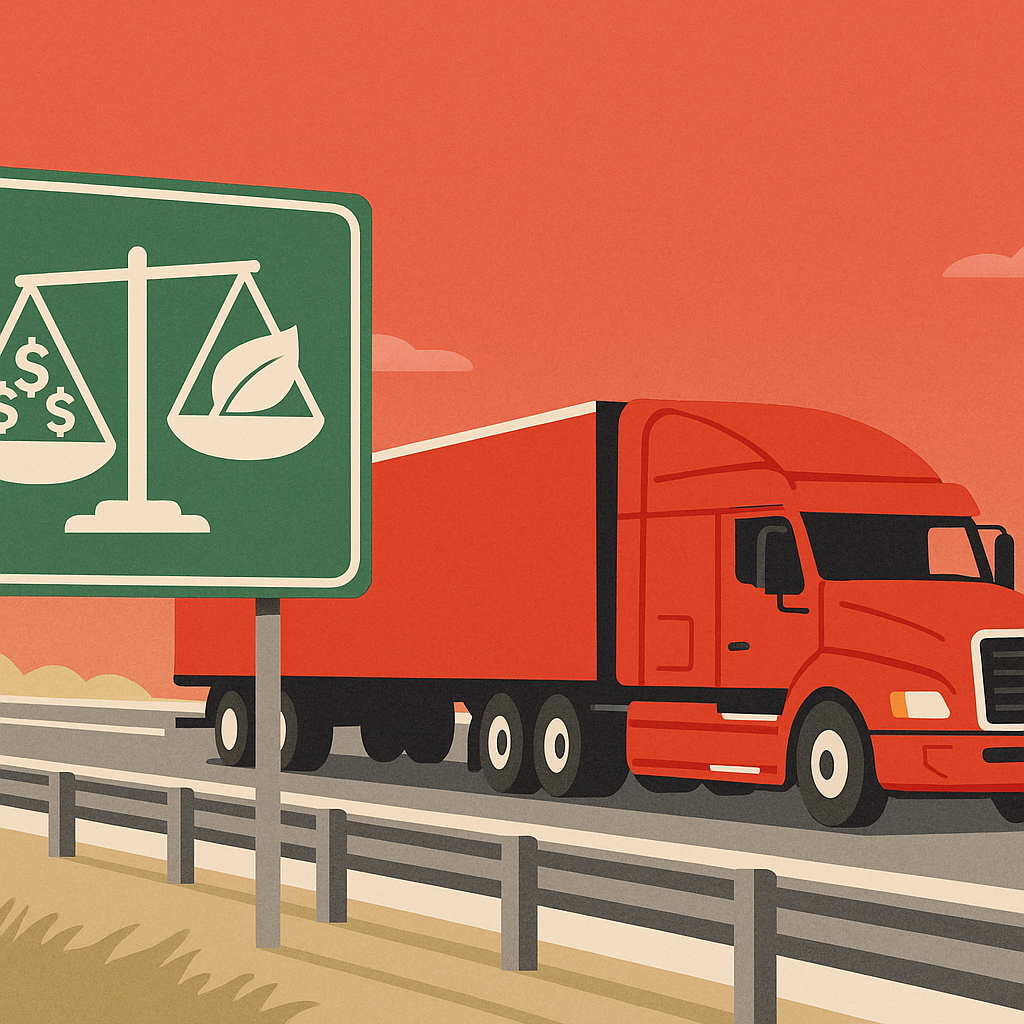
The EPA wants to change some rules for big trucks to help save money and make rules easier to follow. They plan to cut warranty coverage in half, shorten how long trucks must meet emission rules, and change engine warnings from shutting down to just giving a sound or light alert. EPA proposed changes to compliance, durability, and warranty provisions while keeping the core 2027 NOx standards; comments are open until August 29, 2026.
What changes is the EPA proposing for heavy-duty truck emissions rules?
The EPA's proposed amendments would reduce warranty coverage from 10 years/450,000 miles to 5 years/100,000 miles, shorten the compliance durability period, and replace mandatory engine derates for DEF issues with audible or visual warnings. However, the strict NOx emission standards remain unchanged.
The Environmental Protection Agency has opened the door for public input on proposed amendments to its heavy-duty truck emissions framework, with the comment period running through August 29, 2026. Published in the Federal Register on July 14, 2026, the proposal targets specific compliance and warranty provisions for model year 2027 and later heavy-duty highway engines while maintaining the core nitrogen oxide (NOx) emission standards established in the original rule.
What's Actually Changing
The EPA's proposal focuses on several key operational aspects of the emissions program. According to the agency's official announcement, the amendments would modify regulatory useful life periods, emission-related warranty requirements, and the way manufacturers handle diesel exhaust fluid (DEF) system issues.
One significant shift involves replacing mandatory engine derates with audible or visual warnings when DEF problems are detected. Industry sources indicate the proposal would also adjust the compliance durability period from 650,000 miles back to 435,000 miles, while warranty coverage would revert from 10 years or 450,000 miles to 5 years or 100,000 miles. According to industry reports, these changes could result in significant cost savings for manufacturers and fleet operators.
| Provision | Original 2027 Rule | Proposed Amendment |
|---|---|---|
| Warranty Coverage | 10 years/450,000 miles | 5 years/100,000 miles |
| Compliance Durability | 650,000 miles | 435,000 miles |
| DEF System Response | Mandatory engine derate | Audible/visual warnings |
| NOx Standards | 0.035 g/bhp-hr | Unchanged |
The NOx Standards Remain Intact
The EPA states that the proposal addresses industry concerns about costs and technology readiness while maintaining environmental protections.
Despite the adjustments to compliance mechanisms, the actual emission limits for nitrogen oxides have not been altered. The December 2022 EPA heavy-duty rule established 0.035 g/bhp-hr for FTP/SET, 0.050 g/bhp-hr for the LLC cycle, and a 10.0 g/hr NOx idling standard for bin 1 in certain categories. The July 2026 proposal preserves the core tailpipe stringency but proposes changes to implementation provisions.
The distinction between changing compliance provisions and changing emission standards is crucial. While the EPA is proposing to ease some of the operational and warranty burdens that manufacturers and fleets would face, the environmental performance targets that engines must achieve have not been weakened. This approach appears designed to balance the dual concerns of air quality improvement and industry implementation costs.
How to Participate in the Process
The EPA is accepting public comments through multiple channels. Stakeholders can submit feedback through the Federal eRulemaking Portal, by email, by mail to the EPA Docket Center in Washington, DC, or through hand delivery by scheduled appointment.
Public hearings are scheduled to provide additional opportunities for oral testimony, with registration required for those planning to testify.
Industry and Environmental Reactions
The proposal has generated mixed responses from different stakeholder groups. Truck manufacturers and engine makers have welcomed the shift away from the most expensive warranty and durability provisions. Cummins CEO Jennifer Rumsey characterized the warranty change as "a really big deal," noting that buyers would no longer be required to purchase emissions warranty coverage upfront for the entire life of a product.
Environmental advocates have expressed concern that rolling back warranty and useful-life provisions weakens "the actual teeth of this clean air rule," potentially increasing pollution exposure even if the numeric NOx standards remain unchanged.
Trucking industry groups and fleets, which had long pushed for more time and less stringent compliance structures, view the proposed changes as addressing operational and cost concerns while still advancing emissions reductions. The EPA framed the revisions as a way to improve reliability, support implementation, and maintain strong environmental protections simultaneously.
The proposal represents a significant development in the ongoing heavy-duty emissions regulatory framework. The original heavy-duty NOx rule was designed to extend useful-life and warranty requirements compared with earlier standards, making the current proposal's adjustments particularly notable for the trucking industry.
With the comment period open, stakeholders across the transportation and environmental sectors have a defined window to shape the final version of these amendments before the EPA moves forward with implementation.