
Trucking's Evolving Landscape: AI, Safety, and Compliance Drive Industry Transformation
Trucking transforms with AI, safety, & compliance. Discover how enforcement, tech, & regulations are reshaping fleet operations.
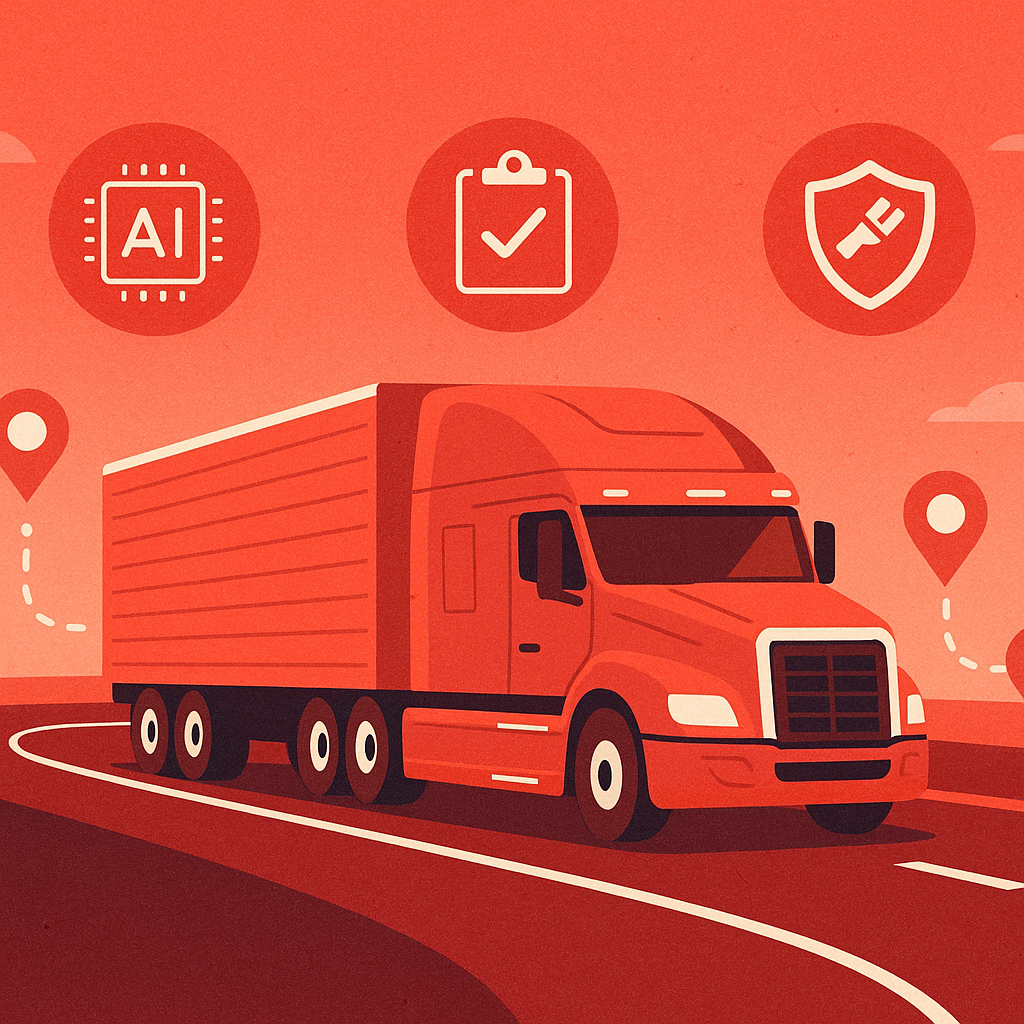
The trucking industry is changing rapidly with new technology like AI and smart software. Trucks are becoming safer because of better cameras, safety programs, and real-time coaching for drivers. Fleets use AI to plan routes, fix trucks before they break, and follow rules more easily. Tools and apps help managers track everything from fuel to driver behavior, making work easier and safer. Companies that use these new tools and keep safety first are positioned to succeed in this evolving landscape.
How is technology transforming the trucking industry?
Technology is rapidly transforming the trucking industry through AI-powered fleet management, enhanced safety initiatives, and unified compliance platforms. AI optimizes safety coaching, maintenance, and route planning, while connected telematics and predictive tools improve operational efficiency, safety, and regulatory compliance across all fleet sizes.
The trucking industry continues to evolve rapidly as fleets navigate a landscape shaped by enforcement actions, technological breakthroughs, and evolving compliance requirements. Recent developments highlight the sector's ongoing transformation through safety initiatives, AI-powered solutions, and enhanced operational tools.
Enforcement Actions and Safety Campaigns
Arizona recently conducted a commercial vehicle enforcement operation that resulted in multiple violations, out-of-service orders, and drivers being sidelined. This targeted inspection blitz demonstrates the continued focus on roadside safety compliance across state jurisdictions.
Meanwhile, Operation Safe Driver Week marked a period of heightened law enforcement presence on roadways. Unlike major inspection campaigns such as DOT Inspection Week or Brake Safety Week, this annual initiative focuses primarily on driver behavior and typically creates less disruption to fleet throughput while maintaining safety vigilance.
Artificial Intelligence Reshapes Fleet Operations
AI technology continues to drive innovation across multiple operational areas. Waabi recently demonstrated its AI driver transferring between different truck platforms, claiming that Waabi Driver can adapt to new truck platforms without additional testing or data input. This development signals a significant step toward commercializing autonomous trucking technology, with industry observers expecting a growing number of autonomous trucks on the road in the coming years.
AI is being deployed across safety coaching, route optimization, maintenance automation, billing, and dispatch decisions, fundamentally changing how fleets manage daily operations.
Michelin launched a new generative AI tool that delivers instant fleet insights, helping managers analyze fuel use, tire maintenance, vehicle status, and operational performance without manually creating reports. This shift toward AI-powered analytics represents the industry's broader movement from reactive to predictive fleet management.
Technology Platform Enhancements
Several major technology providers have rolled out significant platform updates:
| Technology | Provider | Key Features |
|---|---|---|
| LytxOne Platform | Lytx | AI-powered insights, asset tracking, compliance automation, configurable privacy controls |
| CAN Mentor | Noregon | Simplified vehicle network diagnostics without specialized equipment or advanced training |
| Generative AI Tool | Michelin | Instant fleet insights for fuel, tire maintenance, and operational performance |
The LytxOne platform now features AI, compliance, and asset tracking tools designed to provide comprehensive fleet visibility through a unified interface. This consolidation trend reflects the industry's move away from fragmented point solutions toward integrated software ecosystems.
Noregon's CAN Mentor launch addresses a persistent challenge in fleet maintenance by helping technicians identify CAN network issues without requiring advanced diagnostic equipment or specialized training. This democratization of diagnostic capability can reduce downtime and maintenance costs across operations of all sizes.
Market Indicators and Industry Context
According to industry reports, the ATA Truck Tonnage Index showed modest growth in recent months. While modest, this uptick suggests continued stabilization in freight volumes after an extended soft market period.
Fleets are increasingly focusing on connected truck data to improve maintenance scheduling and uptime. Telematics systems now capture diagnostics, driver behavior, and route performance in real time, enabling more proactive fleet management strategies.
Safety Best Practices and Recognition Programs
Industry guidance emphasizes behavior-based safety controls paired with frequent recognition of safe performance. Effective programs focus on pre-trip inspections, fatigue management, seat belt use, distraction control, and defensive driving habits.
Best-practice recognition programs reward specific safe behaviors rather than only crash-free outcomes, ensuring drivers are acknowledged for actions they can directly control.
Data-driven recognition using telematics, camera events, inspections, and coaching records helps identify safe performance consistently. Fleet safety experts recommend weekly safety huddles highlighting one positive driver example and one focus behavior, monthly reviews of performance trends with recognition for top performers and most improved drivers, and quarterly micro-training sessions addressing the top loss drivers specific to each fleet.
Regulatory Planning and Compliance
Upcoming EPA regulations are increasingly affecting truck purchasing decisions and spec conversations, moving from a distant planning concern to an immediate fleet consideration. Zero-emission truck adoption continues unevenly depending on application and infrastructure availability, with light- and medium-duty applications scaling faster than heavy-duty long-haul use.
Digital compliance tooling is making it easier to handle tightening regulatory requirements and emissions reporting. More processes are moving into portals and connected platforms, requiring operations teams to spend more time on data integration as telematics, cameras, maintenance systems, transportation management systems, and compliance platforms are increasingly expected to work together seamlessly.
Technology Adoption Patterns
The shift toward software-driven operations is accelerating. Fleets are replacing fragmented systems with unified platforms for routing, dispatch, billing, and maintenance. Cloud-hosted, mobile-friendly software-as-a-service solutions are becoming the standard, reflecting the industry's recognition that purchasing decisions now depend on software capability as much as engine and chassis specifications.
Video telematics with AI-powered dash cameras are evolving from after-the-fact review tools to real-time intervention systems. These platforms provide immediate alerts and in-cab coaching, shifting safety programs from retrospective reporting to proactive driver support.
Predictive maintenance powered by artificial intelligence reduces downtime by anticipating failures before vehicles are stranded. This capability, combined with enhanced telematics visibility, allows maintenance teams to schedule repairs during planned downtime rather than responding to unexpected breakdowns.
As the industry continues its rapid evolution, fleets that successfully integrate these technological advances while maintaining strong safety cultures and compliance standards will be best positioned to thrive in an increasingly competitive and regulated environment.