
Viral Traffic Stops: Navigating Public Perception, Commercial Standards, and Evolving Law Enforcement Tactics
Viral traffic stops impact public perception & law enforcement. Case study: FedEx truck incident, evolving Ohio laws, & commercial safety.
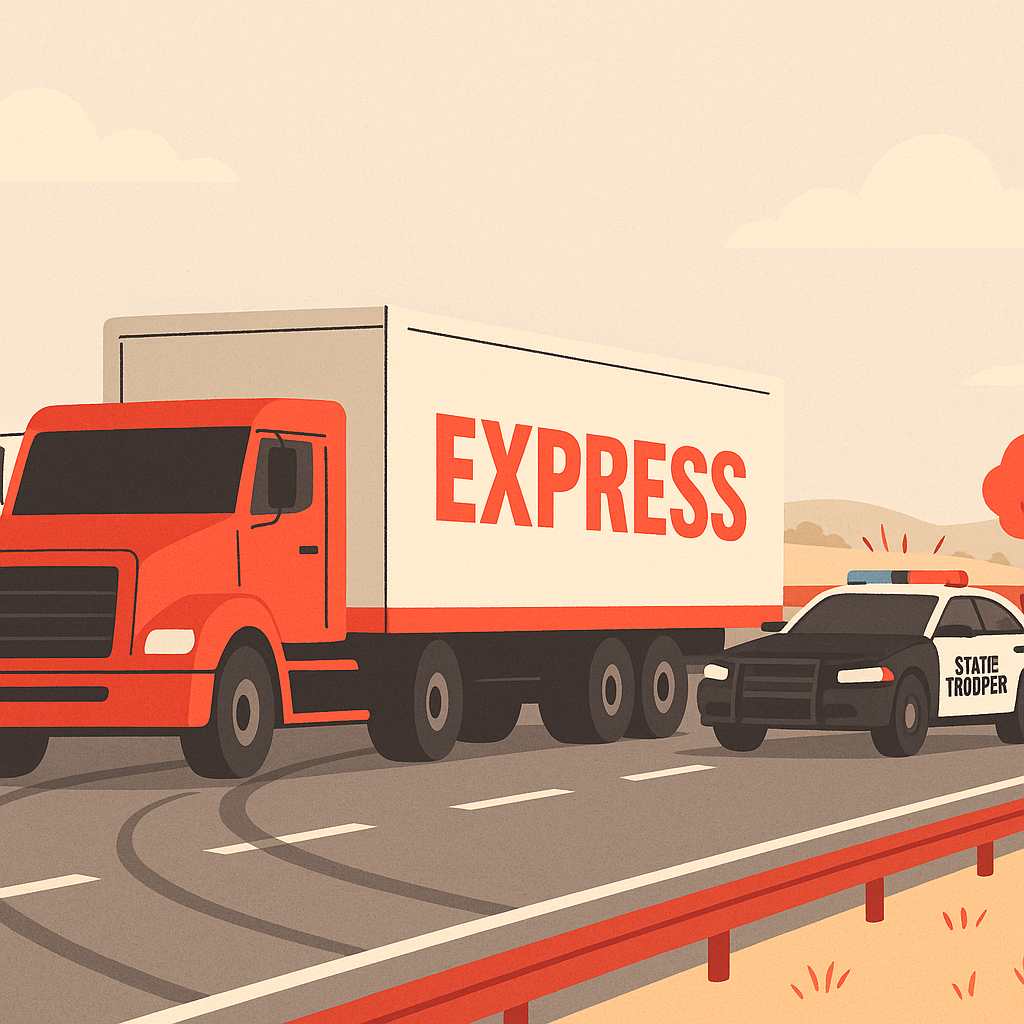
A FedEx truck swerving on an Ohio highway was stopped by police, and officers suspected the driver was drunk after smelling alcohol. The event spread quickly online, turning into jokes but also raising concerns about safety and strict rules for commercial drivers. Viral videos like this make people question police actions and push law enforcement to share more information and safety messages. New Ohio laws now give officers more power during traffic stops, and companies like FedEx have strong rules about safe driving. One video can start big conversations about safety, fairness, and how we judge what happens on the road.
What happened during the viral Ohio FedEx truck traffic stop?
An Ohio State Highway Patrol trooper stopped a FedEx truck for swerving across the highway. Officers suspected the driver was impaired after smelling alcohol. The incident went viral on social media, highlighting strict commercial driving standards, public safety concerns, and evolving Ohio traffic-stop laws.
An Ohio State Highway Patrol traffic stop involving a FedEx truck swerving across the highway captured national attention, spreading rapidly across social media with a wave of jokes and commentary. According to the syndicated report, troopers pulled the commercial vehicle over after witnessing it "swerving back and forth across the highway," and officers "could smell alcohol on the driver almost immediately."
The incident highlights a familiar pattern in how unusual traffic stops become viral content. Rather than generating traditional local-crime coverage, the video format and visible erratic driving turned the stop into internet fodder, with the coverage noting that "the internet has jokes" about the situation.
The Stop and Field Sobriety Test
After pulling the truck to the side of the road, troopers administered a field sobriety test to the driver. The Ohio State Highway Patrol later posted about the dangers of impaired driving on Facebook, using the incident as a public-safety reminder. While the syndicated report confirms the stop and the alcohol suspicion, specific details about arrest charges, the driver's identity, or the exact outcome of the sobriety test were not included in available sources.
Commercial drivers in Ohio face strict federal and company standards. FedEx's Code of Conduct explicitly prohibits working under the influence of alcohol or illegal drugs, and commercial vehicle operators must maintain proper CDL endorsements and valid medical certification under FMCSA regulations. A violation of these standards can result in immediate disqualification from driving and potential criminal charges.
Why Traffic Stops Go Viral
The FedEx truck incident joins a growing list of traffic stops that have captured public attention in recent years. Cell-phone and dashcam footage often drives the first wave of public reaction, sometimes before official body-camera releases or investigative findings emerge.
In Jacksonville, Florida, a February 19, 2025 traffic stop involving William McNeil Jr. went viral after cellphone footage showed officers punching and dragging him from his vehicle. NBC News reported the video was "sparking renewed scrutiny regarding police methods," while the sheriff's office later stated that the State Attorney's Office found that "none of the involved officers violated criminal law."
These cases illustrate how viral footage creates immediate public presumptions about law-enforcement conduct, especially when clips are short or lack full context. Official releases can either reinforce skepticism or partially restore confidence, depending on whether they support the initial civilian video.
Ohio's Evolving Traffic-Stop Rules
The timing of the FedEx incident coincides with significant changes to Ohio traffic-stop law. In 2026, Governor DeWine signed legislation criminalizing refusal by drivers and passengers to identify themselves during certain traffic stops. The new law requires individuals to provide identification when lawfully detained, expanding officer authority during roadside encounters.
The Supreme Court of Ohio also ruled in 2026 that officers may extend a lawful stop when new reasonable suspicion arises during the encounter. In one case, the court found that an officer could continue a stop based on a nonworking headlight that became apparent after the initial reason for the stop.
These legal shifts add context to how troopers handle traffic stops in Ohio, particularly when initial suspicion - such as erratic driving - leads to additional concerns like suspected impairment.
Commercial Vehicle Safety and Public Expectations
FedEx drivers operate under dual layers of accountability: company conduct policies and federal commercial-vehicle regulations. The company's Code of Conduct states that team members must report threats, suspicious activity, and improper conduct through management, Human Resources, or the FedEx Alert Line at 1-866-423-3339. The policy also emphasizes that anyone in imminent danger should contact emergency services first.
Federal FMCSA standards cover licensing, medical qualification, hours-of-service limits, drug and alcohol testing, vehicle condition, and safe operation requirements. Violations can include operating without the proper CDL, missing endorsements, driving while disqualified or suspended, and lacking required medical certification.
For a commercial driver swerving across multiple lanes on an Ohio highway, the consequences extend beyond a simple traffic citation. Impaired driving in a commercial vehicle can result in immediate CDL suspension, criminal charges, termination of employment, and civil liability if the erratic driving causes an accident or injury.
The Viral Lifecycle of Law-Enforcement Video
The FedEx truck stop demonstrates how quickly traffic incidents can transition from routine enforcement to national conversation. The video format made the swerving behavior visible and shareable, while the combination of a recognizable company logo and the suspicion of impairment added elements of surprise and humor for online audiences.
This pattern has become familiar in recent years. Traffic stops involving claims of excessive force have drawn public attention and prompted internal reviews after viral videos spread. In each case, public attention pressures departments to explain the stop and defend their procedures, even when no criminal wrongdoing is ultimately found.
Viral police videos tend to increase public focus on police tactics during traffic stops because stops are common, highly visible, and can involve rapid escalation. When officials state that no criminal law was broken but internal policy review continues, the public receives a split message: the conduct may be legal yet still viewed as potentially improper or disproportionate.
What the Incident Reveals About Public Safety Communication
The Ohio State Highway Patrol's decision to post about impaired driving after the FedEx stop reflects a strategy many law-enforcement agencies now use: converting viral moments into public-safety messaging. Rather than simply processing the stop through administrative channels, the agency leveraged the attention to reinforce the dangers of driving under the influence.
This approach acknowledges the reality that traffic-stop videos will circulate regardless of official communication strategy. By adding context and safety messaging, agencies attempt to shape the narrative and redirect attention from jokes and memes toward the serious risks of impaired driving on public highways.
The incident also underscores the challenges commercial carriers face in maintaining driver standards and public reputation. A single viral video can generate widespread commentary about company safety culture, even when the driver's conduct is an individual violation rather than a systemic failure. FedEx's public Code of Conduct and internal reporting channels are designed to prevent such incidents, but enforcement depends on drivers adhering to those standards every day.
As traffic-stop videos continue to spread across social platforms, the intersection of law enforcement, commercial transportation, and public perception will remain a source of both accountability and controversy. The FedEx swerving-truck incident may have generated internet jokes, but it also reflects ongoing debates about driver responsibility, police authority, and the power of viral video to shape public understanding of roadside encounters.